Phthalates
Stay updated with Bastone Plastics' news and insights. Explore daily plasticizer price updates, expert blogs on PVC resin and plasticizer applications, product comparisons, and coverage of events and exhibitions we attend worldwide.


Stay updated with Bastone Plastics' news and insights. Explore daily plasticizer price updates, expert blogs on PVC resin and plasticizer applications, product comparisons, and coverage of events and exhibitions we attend worldwide.
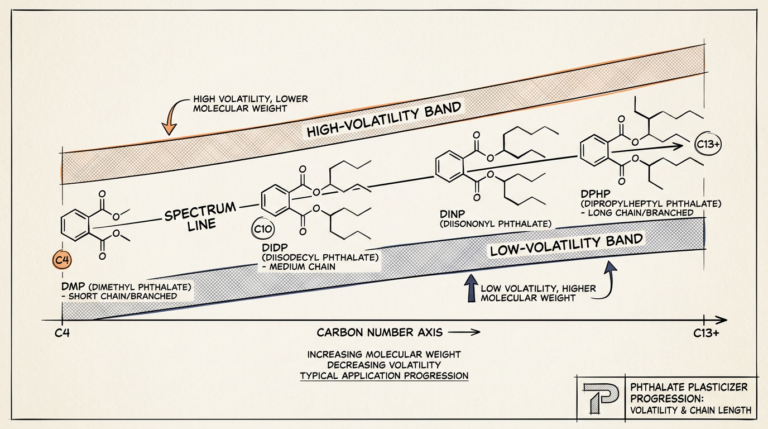
A phthalate plasticizer is an ortho-phthalate diester — phthalic anhydride reacted with two alcohol chains — that dissolves physically into rigid PVC to make it flexible. Roughly 90 to 95 percent of all phthalates go into flexible PVC, which makes…
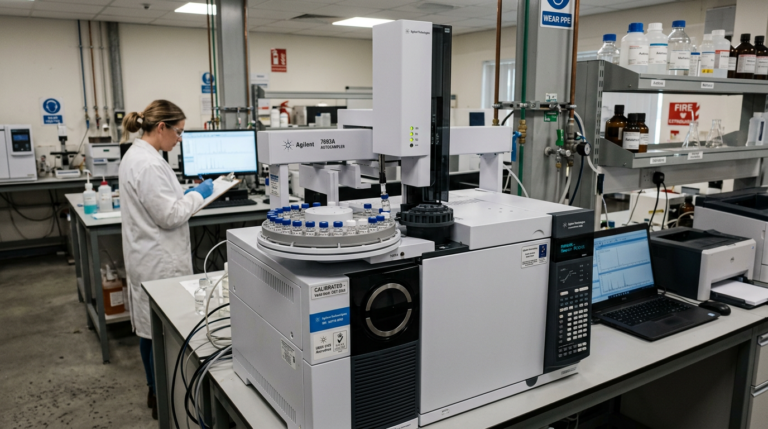
A “phthalate-free” line on a spec sheet is a marketing statement until your procurement clause names the analytes, the standard, and the LOQ that turn it into a test. The protocol below runs four stages — COA review, third-party GC-MS…
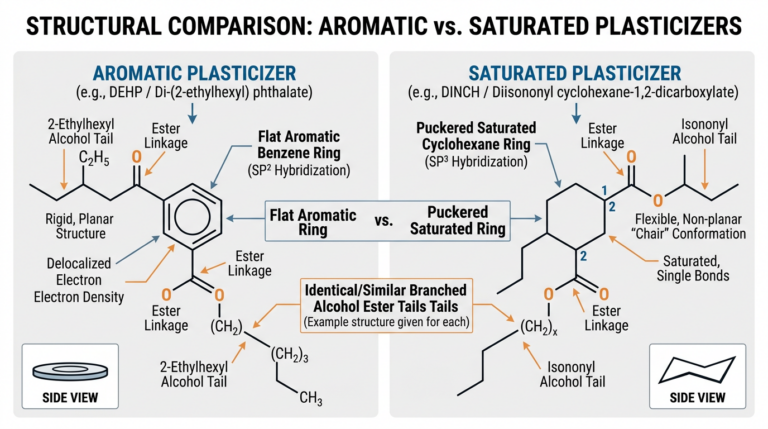
DINCH is DINP with its benzene ring hydrogenated, so the two plasticize PVC in much the same way, and the choice between them depends mostly on regulation and hazard. DINP is restricted in children’s toys and childcare articles and in…
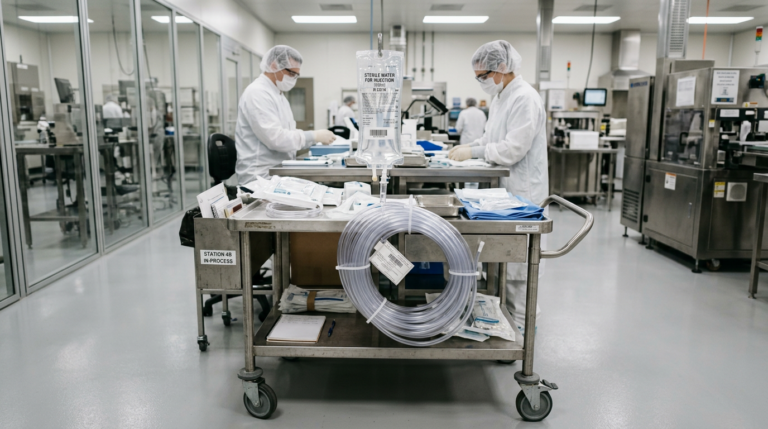
Six chemistry families now cover the REACH and RoHS compliant DEHP replacements for flexible PVC. The shortlist runs across terephthalate, ortho-phthalate, cyclohexanoate, adipate, trimellitate, and citrate. The application sector pushing the substitution governs the shortlist more than the chemistry itself.…
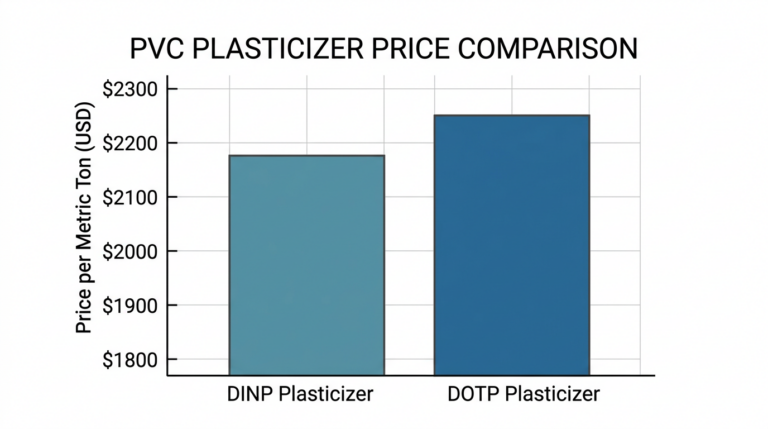
DOA’s aliphatic adipate ester chain stays mobile down to about -55°C; DINP’s planar phthalate ring stiffens around -25°C — that single chemistry difference is why specifiers reach for DOA the moment a cold-flex spec lands on the desk. The reflex…
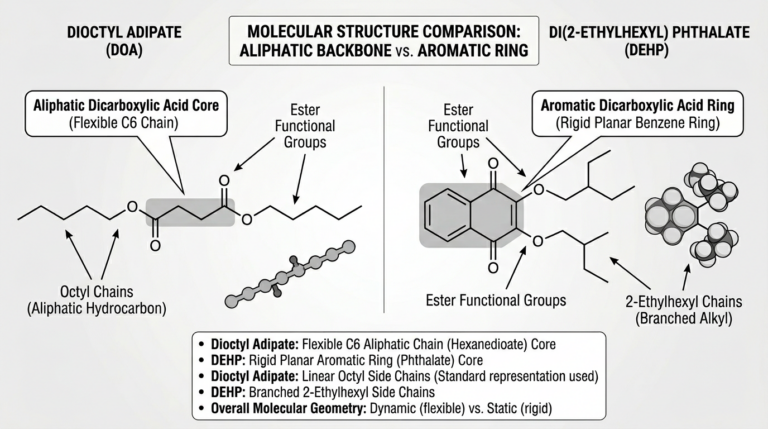
A specifier sourcing flexible PVC for a wire-and-cable line walks into the DOA-vs-DEHP question with a different binding constraint than a procurement engineer pricing a high-volume general-purpose compound, who in turn faces a different constraint from a medical-device formulator working…
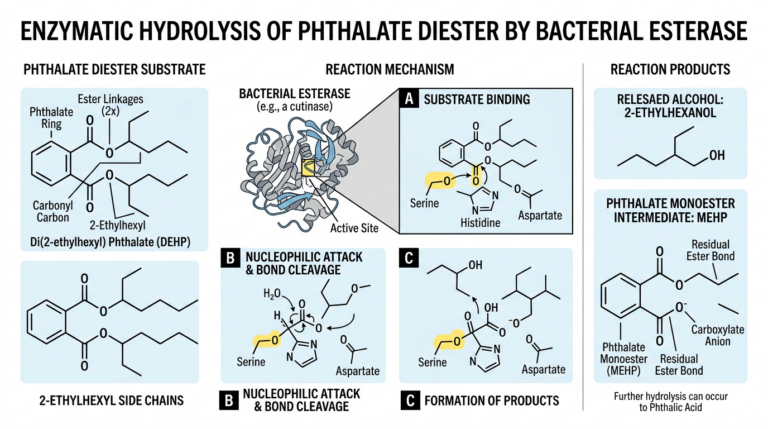
Why does the same DOP molecule disappear from a Rhodococcus flask in three days but linger in marine sediment for months? The bacterial enzymes are conserved across both environments, but substrate concentration, microbial density, oxygen access, and temperature push the…
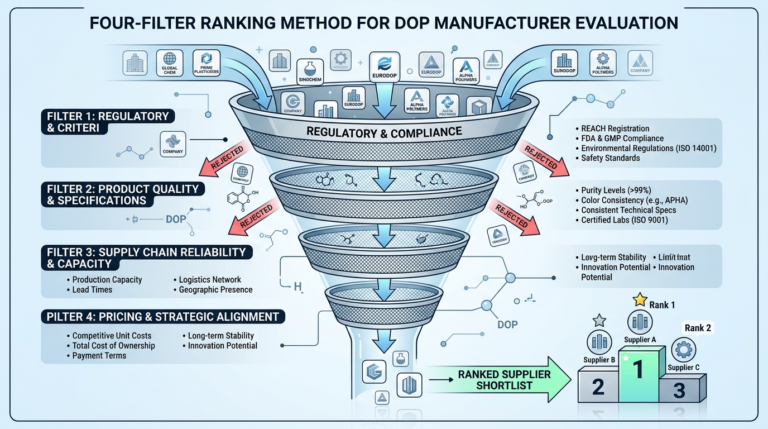
The global DOP supplier landscape has split along regulatory lines. DEHP sits on REACH Annex XIV in the EU, which means BASF, Eastman, and ExxonMobil have shifted their European-facing portfolios toward DINP, DPHP, and DINCH while continued-DOP volume stays concentrated…
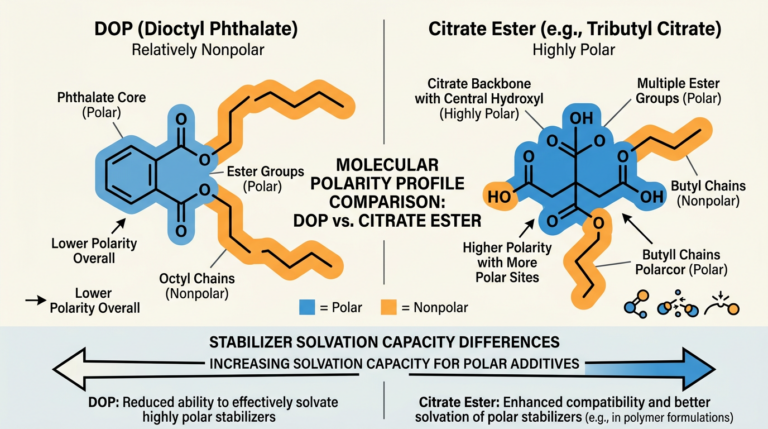
DOP datasheets routinely claim “good heat stability.” That claim omits the most critical variable: the stabilizer system paired with it. DOP-plasticized PVC begins yellowing at roughly 70 minutes under 180 C oven aging when the stabilizer disperses poorly in the…
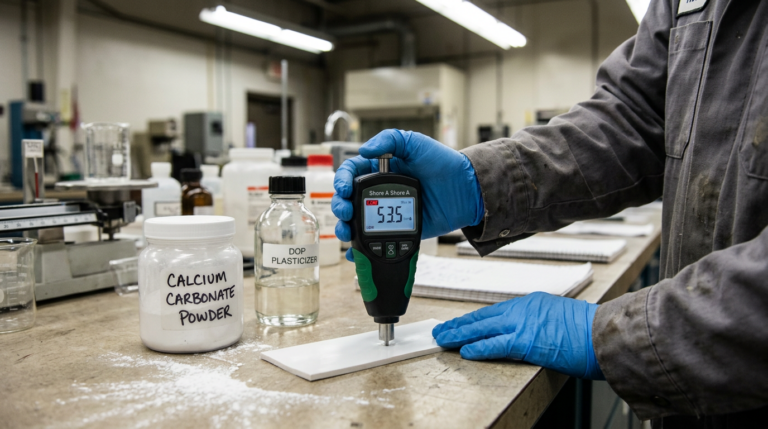
“I bumped the CaCO3 from 20 to 40 phr and the compound came out stiff as a board — same DOP level that worked fine before.” I hear versions of this from formulators every month. The filler ate their plasticizer,…
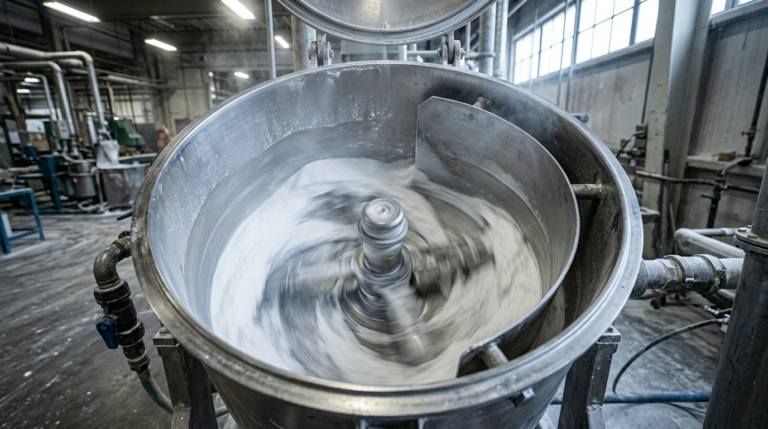
Adding DOP at 80C is the easy part. Knowing what the blend should look like at 80C, how the motor load should behave, and what to do when the blend still feels wet at discharge — that is where batches…

Manufacturers facing DEHP restrictions often hear the same advice: switch to DINCH. But that recommendation ignores a critical variable — your application sector. Medical devices, children’s toys, and food contact packaging have clear regulatory mandates pushing toward DINCH or other…