How It’s Made
Stay updated with Bastone Plastics' news and insights. Explore daily plasticizer price updates, expert blogs on PVC resin and plasticizer applications, product comparisons, and coverage of events and exhibitions we attend worldwide.


Stay updated with Bastone Plastics' news and insights. Explore daily plasticizer price updates, expert blogs on PVC resin and plasticizer applications, product comparisons, and coverage of events and exhibitions we attend worldwide.
How plasticizers and PVC resin are produced: routes, catalysts, raw materials and process steps.
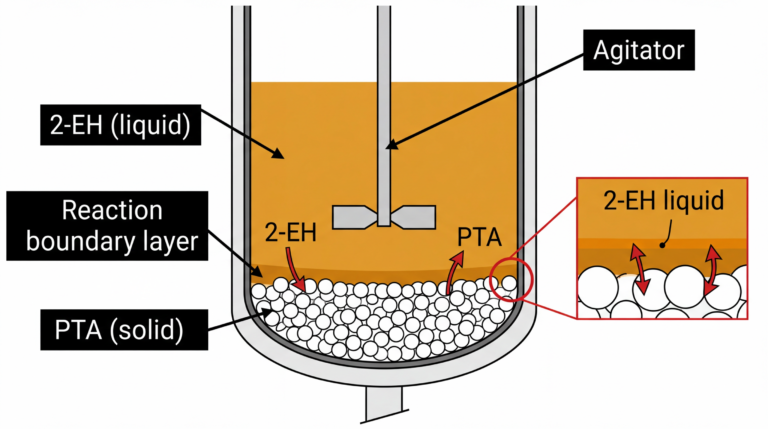
DOTP esterification runs two to three times slower than DINP production under identical reactor conditions. The reason has nothing to do with catalyst quality or reactor design. Purified terephthalic acid (PTA) is insoluble in 2-ethylhexanol (2-EH), forcing the entire reaction…
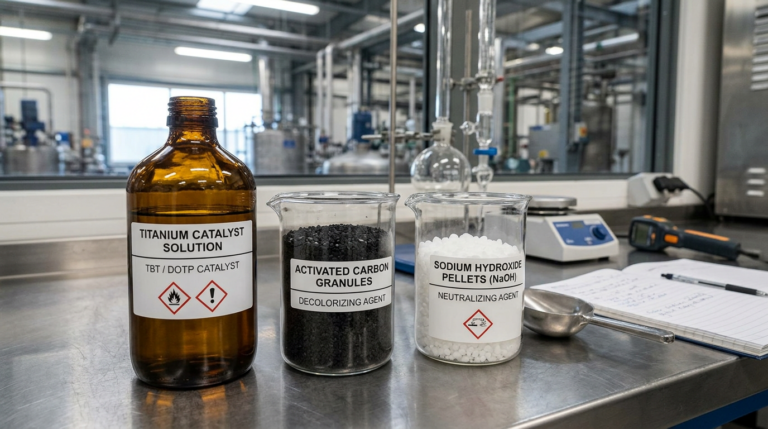
Raw materials account for roughly 68% of DOTP production costs. When 2-ethylhexanol prices swung violently in early 2024 after a single European supplier declared force majeure, every DOTP producer downstream felt it within weeks. Knowing that DOTP comes from purified…
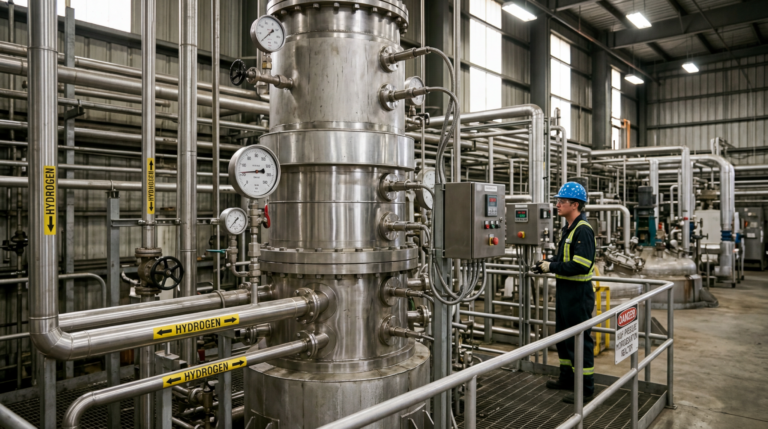
What does it actually take to convert a C4 olefin stream into a finished non-phthalate plasticizer? Most descriptions reduce DINCH manufacturing to a single line — “hydrogenate DINP” — as though one reactor and a hydrogen feed are all that…
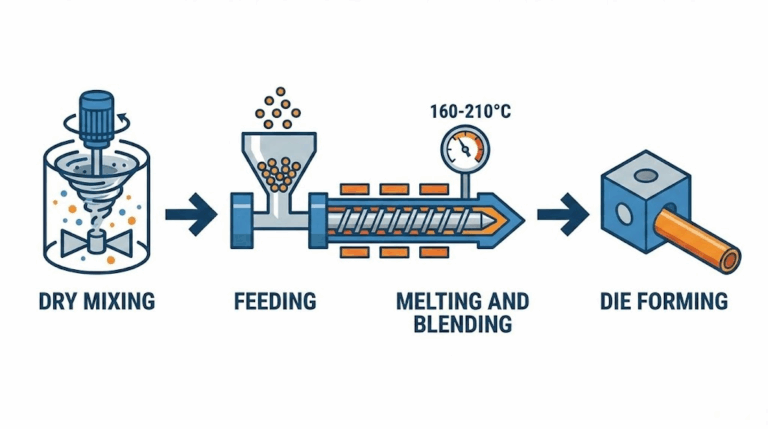
PVC pipe production turns PVC resin into finished pipe through a tightly controlled compounding and extrusion sequence — one where temperature precision matters more than almost anything else. For a pipe manufacturer sourcing resin, understanding where the process is unforgiving…
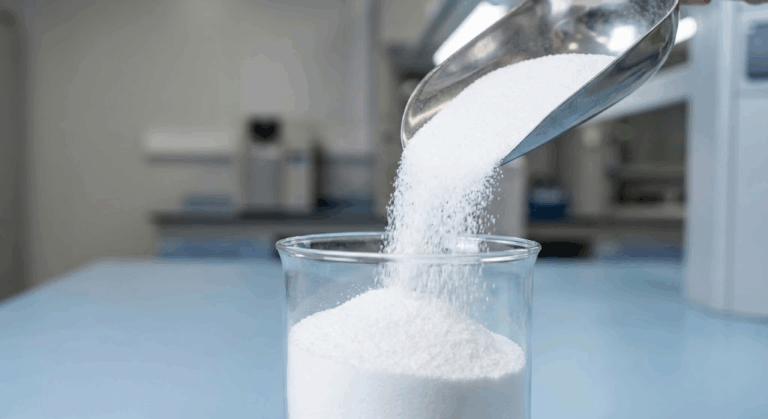
PVC resin is made by electrolyzing salt into chlorine, reacting that chlorine with ethylene to form ethylene dichloride (EDC), cracking the EDC into vinyl chloride monomer (VCM), and polymerizing the VCM in water into a powder that is then stripped…

If you work in plastics manufacturing, chemical engineering, or medical device production, you’ve likely encountered Trioctyl Trimellitate—better known as TOTM. This non-phthalate plasticizer is the go-to choice when you need flexibility without volatility. Unlike older plasticizers that migrate out of…
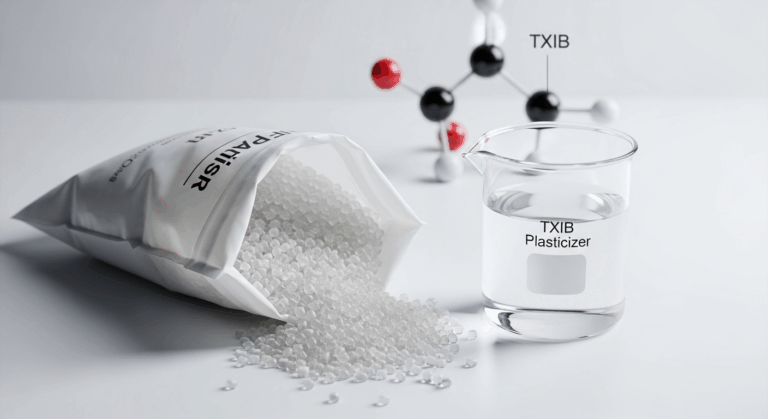
TXIB is the plasticizer that makes flexible plastic possible—from the toys kids play with to the medical tubing that saves lives. Behind this versatile compound is a carefully orchestrated synthesis process that transforms simple feedstocks into a non-phthalate plasticizer that…
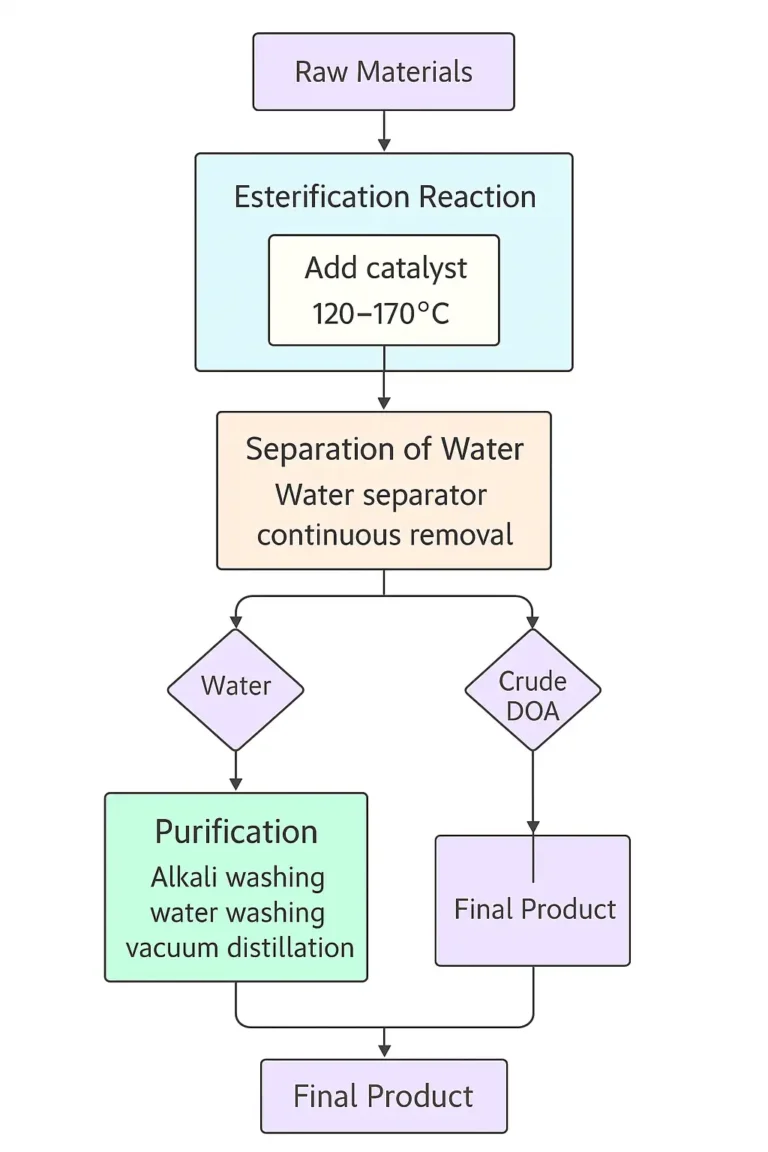
Dioctyl Adipate (Plasticizer DOA) is a highly efficient, low-temperature-resistant plasticizer widely used in flexible PVC, cables, synthetic leather, and film applications. 1. Introduction The chemical synthesis of DOA is an esterification reaction between adipic acid and 2-ethylhexanol (2-EH). The reaction…
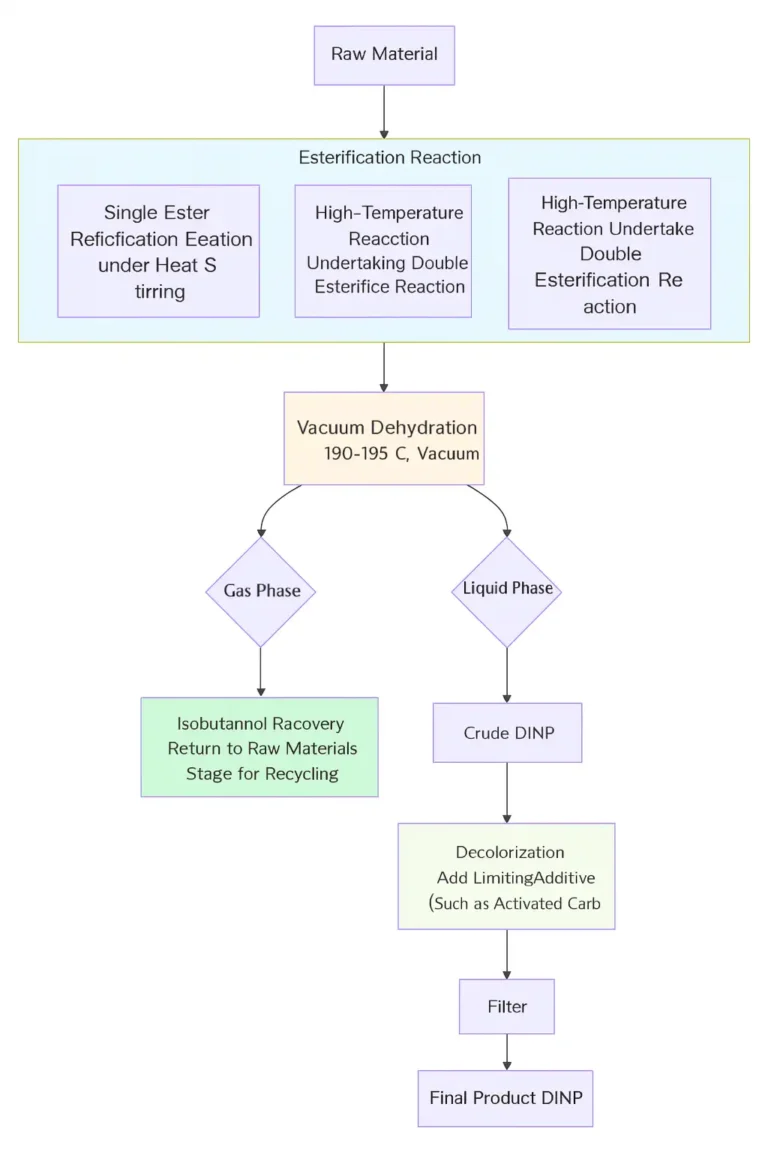
DINP (Di-isononyl Phthalate) is an important phthalate-based plasticizer known for its low volatility, excellent migration resistance, and environmental safety profile compared to traditional plasticizers like DOP (Di-octyl Phthalate). The following describes a modern synthesis method uses a titanium-based catalyst system…
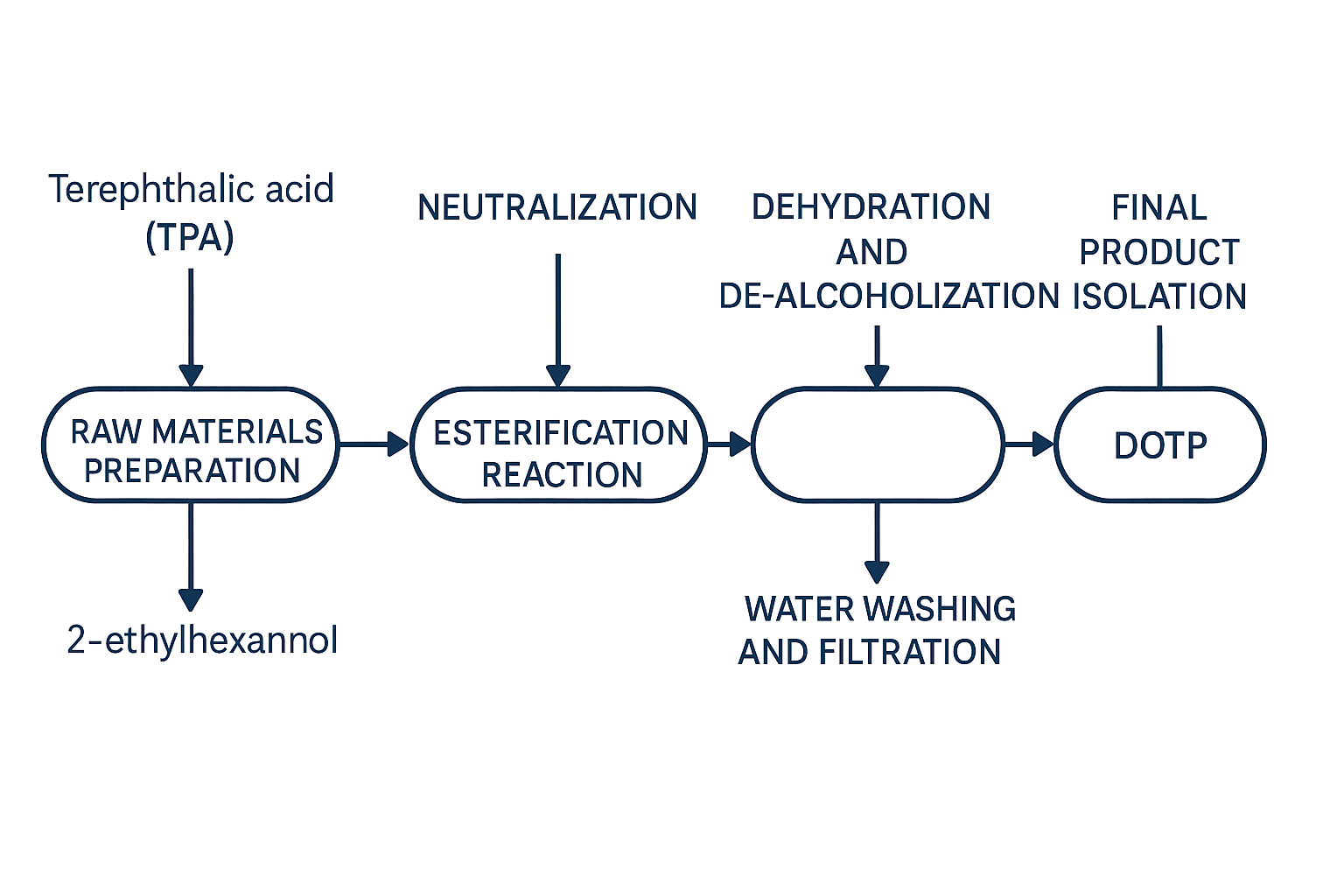
Dioctyl Terephthalate (DOTP) is an environmentally friendly plasticizer usded in PVC. One of the main industrial methods to synthesize DOTP is the direct esterification method, also known as the TPA method, which uses terephthalic acid (TPA) and 2-ethylhexanol as raw…
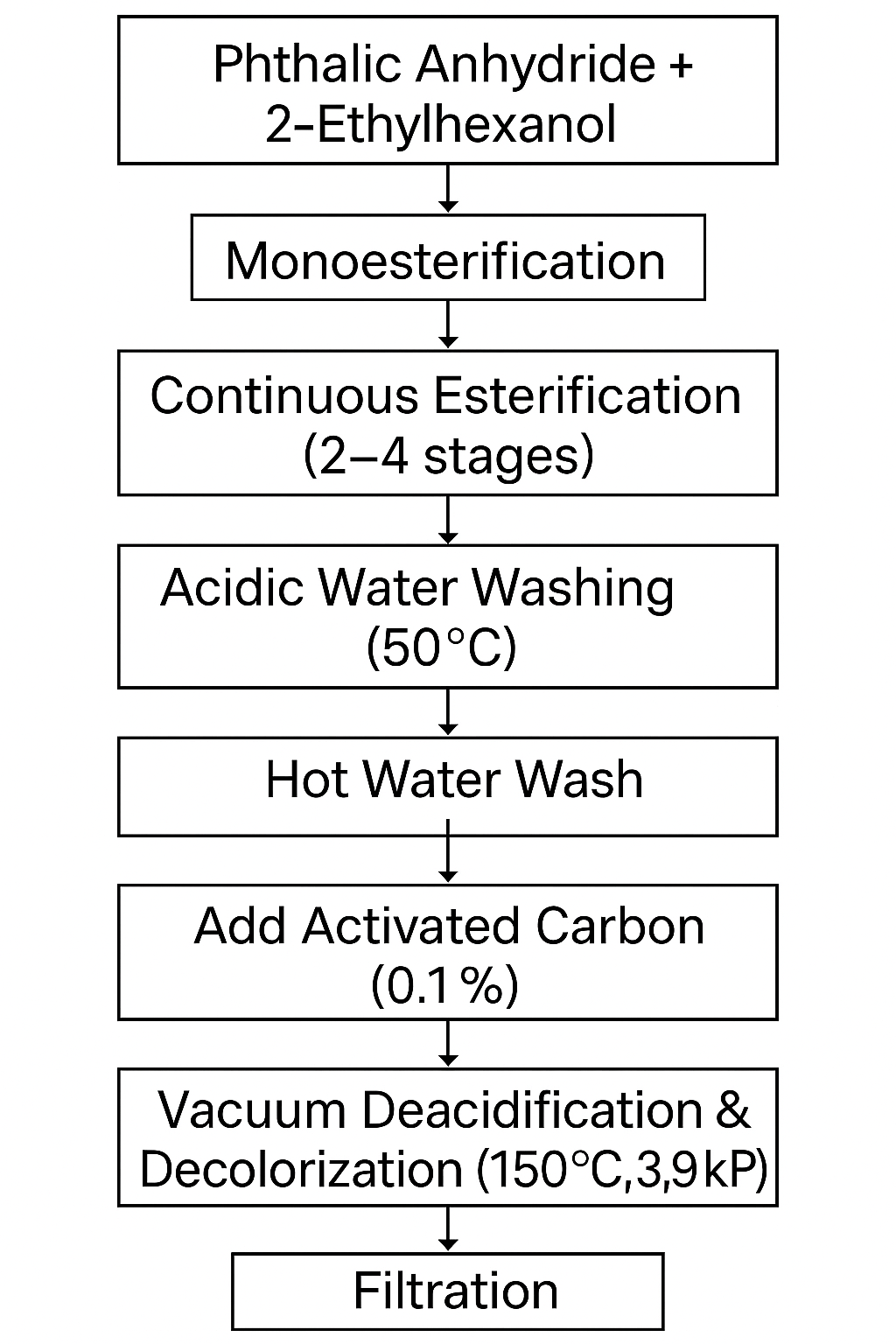
DOP, a di-ester of phthalic anhydride and 2-ethylhexanol, is one of the most cost-effective plasticizers with strong plasticizing performance. Therefore, DOP (Dioctyl Phthalate) is a most used plasticizer“. BASTONE is the leading DOP manufacturer and supplier in China, with years…