Stoneexpert

Stoneexpert

How to Check Incoming PVC Resin Quality
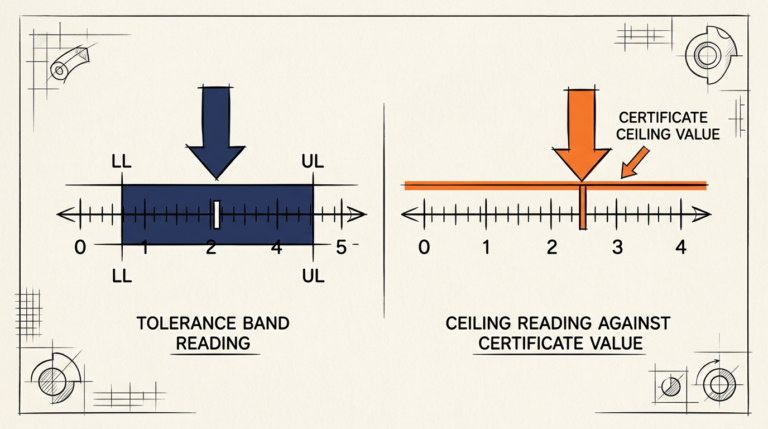
Reading a tolerance band versus a ceiling when you check PVC resin quality on a certificate

Most processors never run a resin test in-house. They accept the supplier’s certificate of analysis, file it, and find out a lot was borderline only when the defect shows up on the line weeks later. Reading that certificate parameter by…
What Is E-PVC and S-PVC?

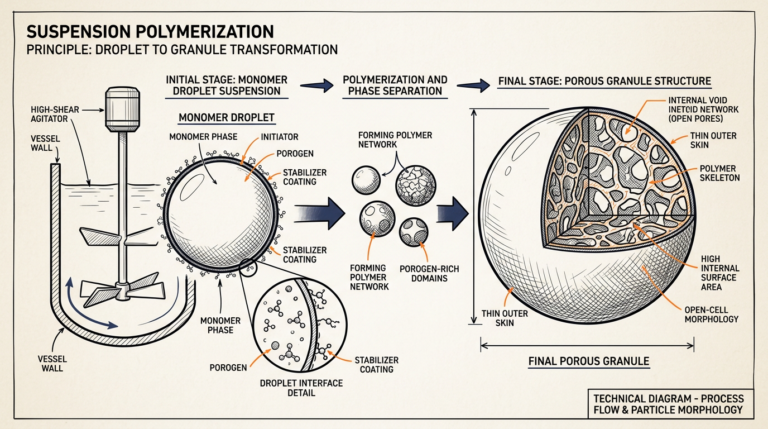
Suspension polymerization forming porous s-PVC granules from monomer droplets

E-PVC, S-PVC, paste resin, P-PVC — the labels overlap enough that the wrong resin gets ordered against a clear spec. The line that actually separates them is drawn at the moment of polymerization, where one route grows latex particles a…

Does PVC Resin Need to Be Dried?

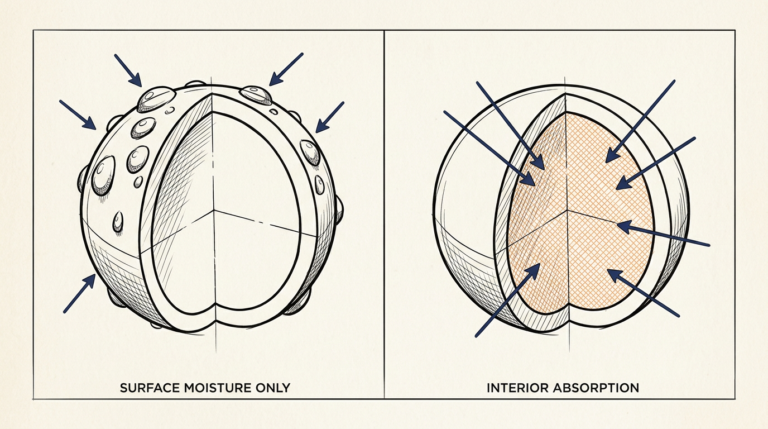
Diagram showing why PVC resin is non-hygroscopic with surface-only moisture versus internally absorbed water

A processor seeing voids and splay on the line often assumes PVC needs the same hopper-drying step as the PET or nylon next to it. PVC is non-hygroscopic, so routine drying is usually unnecessary. The real question isn’t the polymer…

DINP vs DINCH in Flexible PVC

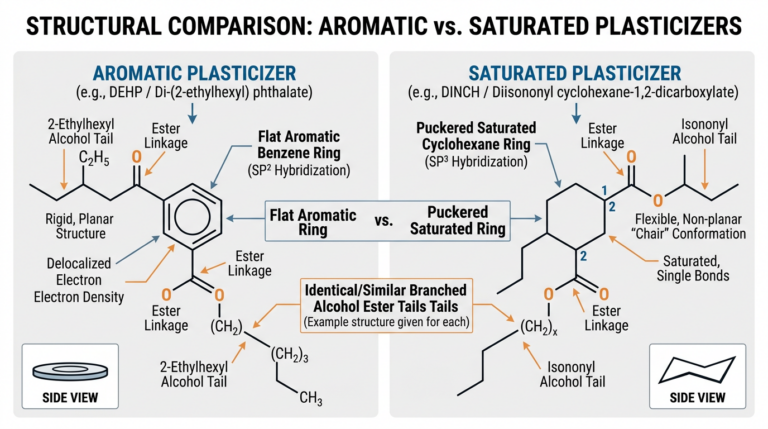
Diagram comparing DINP vs DINCH molecular structure in flexible PVC plasticizers — aromatic ring versus hydrogenated cyclohexane ring.

DINCH is DINP with its benzene ring hydrogenated, so the two plasticize PVC in much the same way, and the choice between them depends mostly on regulation and hazard. DINP is restricted in children’s toys and childcare articles and in…

Alternatives to DEHP Plasticizers for Flexible Vinyl

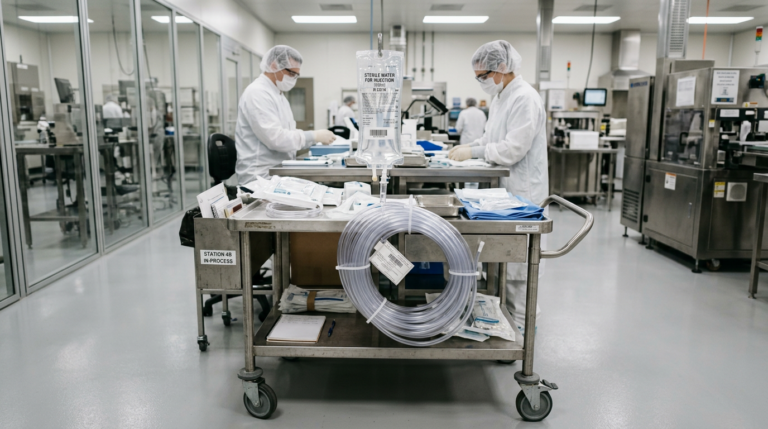
Flexible PVC medical tubing using DINCH as a DEHP alternative in a medical device facility

Six chemistry families now cover the REACH and RoHS compliant DEHP replacements for flexible PVC. The shortlist runs across terephthalate, ortho-phthalate, cyclohexanoate, adipate, trimellitate, and citrate. The application sector pushing the substitution governs the shortlist more than the chemistry itself.…

DOA vs DINP for Low-Temperature PVC

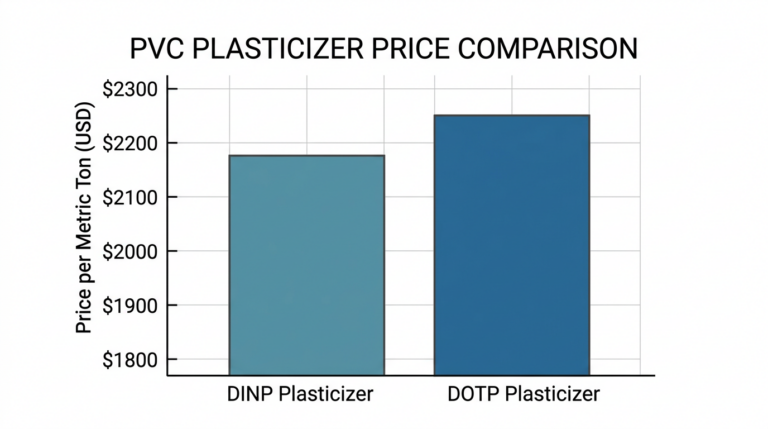
DOA vs DINP price comparison chart showing the low-temperature plasticizer premium

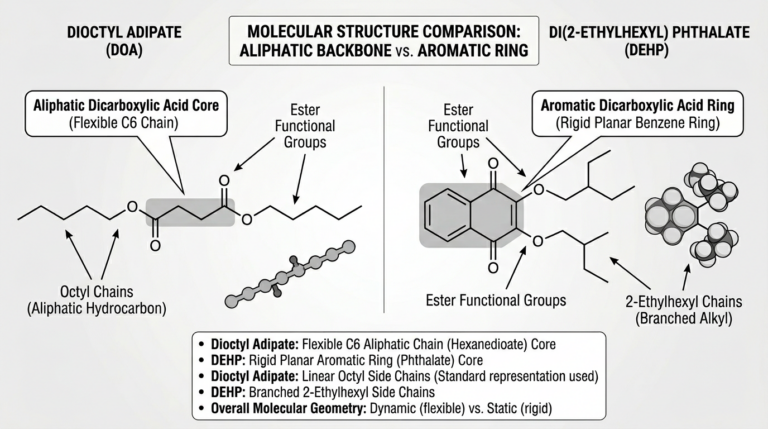
DOA’s aliphatic adipate ester chain stays mobile down to about -55°C; DINP’s planar phthalate ring stiffens around -25°C — that single chemistry difference is why specifiers reach for DOA the moment a cold-flex spec lands on the desk. The reflex…