Plasticizer & PVC Basics

Stay updated with Bastone Plastics' news and insights. Explore daily plasticizer price updates, expert blogs on PVC resin and plasticizer applications, product comparisons, and coverage of events and exhibitions we attend worldwide.

bastone blog page banner

Category Plasticizer & PVC Basics

What a plasticizer, PVC resin or feedstock is: properties, uses and classification.

What Are Non-Phthalate Plasticizers

image 4

The vinyl flooring in your kitchen, the tubing delivering blood transfusions in a hospital, the soft plastic toy your toddler chews on—these products all depend on plasticizers. These chemical additives make rigid plastic flexible and workable. For decades, phthalates dominated…

What is DPHP Plasticizer

image

DPHP (Di(2-propylheptyl) phthalate) is a high-performance plasticizer that makes rigid plastics like PVC flexible, durable, and heat-resistant. It’s essentially a clear, oily liquid chemical additive that manufacturers mix into plastics at levels of 30-60% by weight to transform hard, brittle…

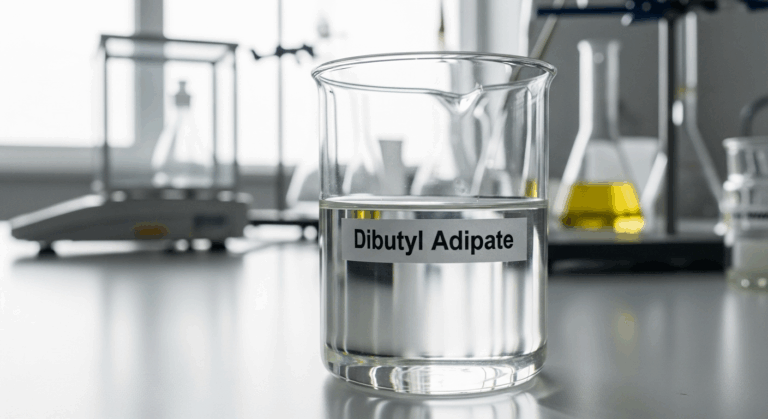
What is Dibutyl Adipate

image 13

Dibutyl adipate (DBA) is a low-molecular-weight adipate ester used as a plasticizer for PVC and other polymers. It’s the chemical result of combining adipic acid with butanol, creating a clear, oily liquid that lowers a polymer’s glass-transition temperature and keeps…

What is Trioctyl Trimellitate (TOTM)

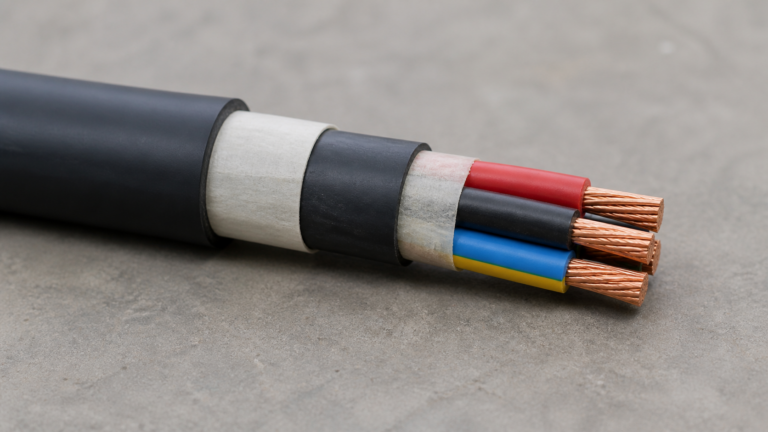
Cut length of multi-core power cable with the jacket peeled back in steps, showing coloured inner insulation and stranded copper

TOTM is a premium plasticizer that makes rigid plastics like PVC flexible and durable, especially in high-temperature applications where other plasticizers fail. It’s the tris(2-ethylhexyl) ester of trimellitic acid – essentially a large molecule with a benzene ring core and…

What Are Natural Plasticizers

image 21

Natural plasticizers are eco-friendly additives made from renewable sources like plants, vegetables, and agricultural byproducts that make plastics more flexible and workable. Traditional plasticizers often come from petroleum and can be harmful to both people and the environment. Natural alternatives…

What Are Plasticizers

image 19

Plasticizers are small ester molecules added to rigid plastics — most commonly PVC — to make them flexible. They wedge between polymer chains, increase the space the chains can slide through, and lower the temperature at which the material turns…