PVC Resin
Stay updated with Bastone Plastics' news and insights. Explore daily plasticizer price updates, expert blogs on PVC resin and plasticizer applications, product comparisons, and coverage of events and exhibitions we attend worldwide.


Stay updated with Bastone Plastics' news and insights. Explore daily plasticizer price updates, expert blogs on PVC resin and plasticizer applications, product comparisons, and coverage of events and exhibitions we attend worldwide.
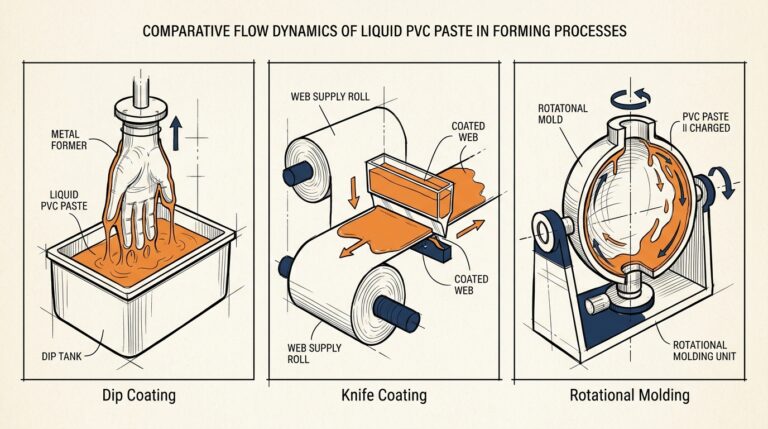
A workable plastisol starts with the process, not the recipe. Two widely published starting-point viscosity bands for the same paste PVC differ by roughly threefold: one lands at 1,000 to 5,000 cP, the other at 2,000 to 15,000 cP at…
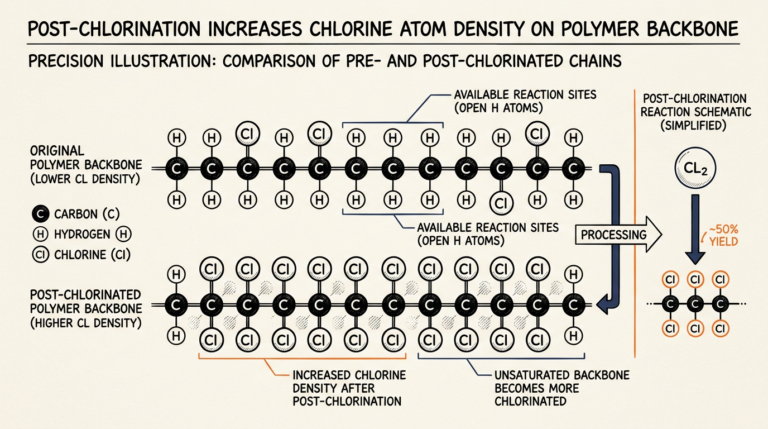
Yes, PVC and CPVC resins can be blended, but they are only marginally compatible, and the higher the CPVC’s chlorine content, the worse they mix. Mixing here means blending the two resins in one compound; joining PVC pipe to CPVC…
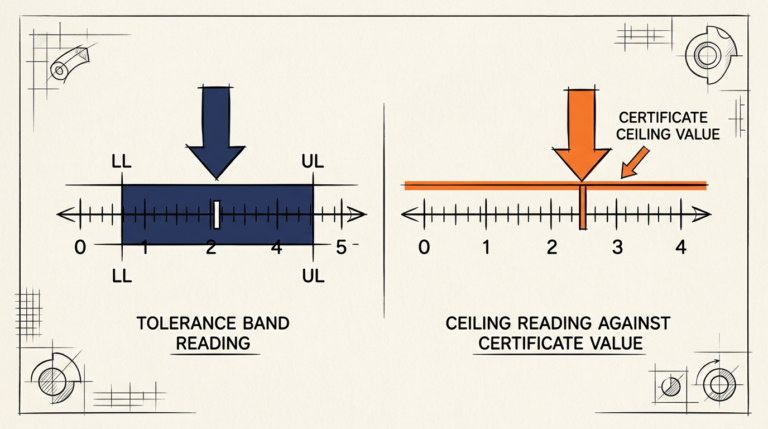
Most processors never run a resin test in-house. They accept the supplier’s certificate of analysis, file it, and find out a lot was borderline only when the defect shows up on the line weeks later. Reading that certificate parameter by…
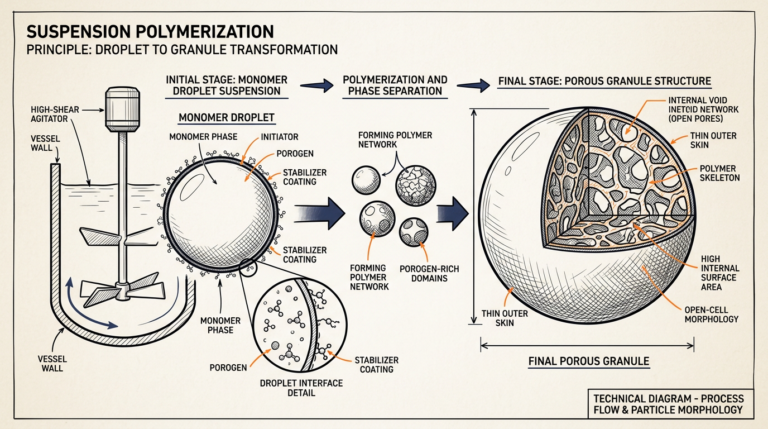
E-PVC, S-PVC, paste resin, P-PVC — the labels overlap enough that the wrong resin gets ordered against a clear spec. The line that actually separates them is drawn at the moment of polymerization, where one route grows latex particles a…
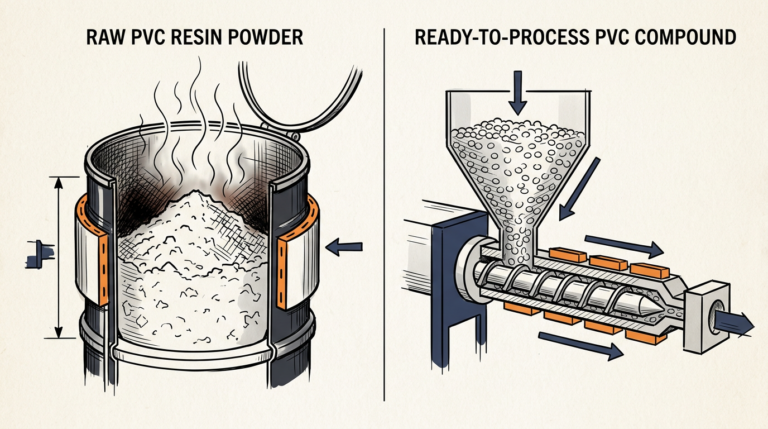
A drum of PVC resin and a sack of PVC compound sit on the same shelf at the same supplier, and the compound costs $200 to $400 more per metric ton. The easy read is that compound is just pricier…
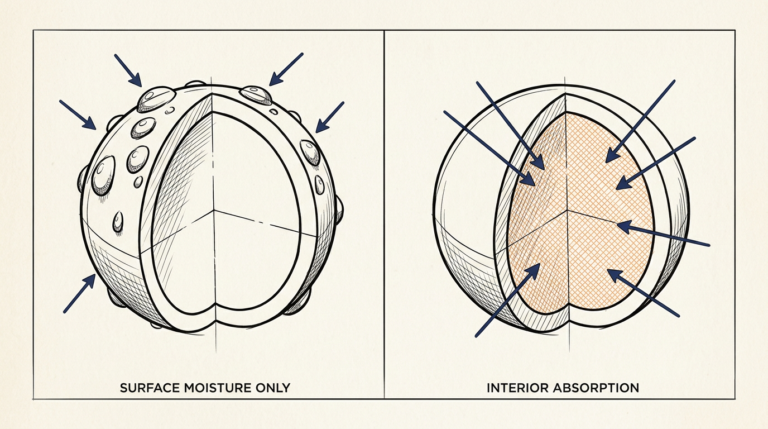
A processor seeing voids and splay on the line often assumes PVC needs the same hopper-drying step as the PET or nylon next to it. PVC is non-hygroscopic, so routine drying is usually unnecessary. The real question isn’t the polymer…
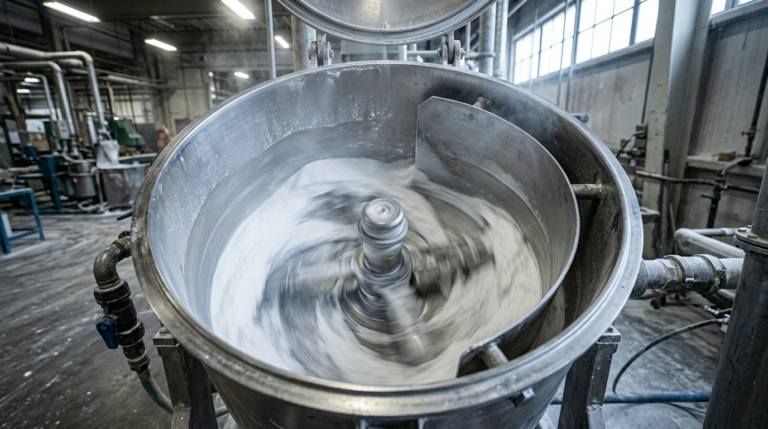
Adding DOP at 80C is the easy part. Knowing what the blend should look like at 80C, how the motor load should behave, and what to do when the blend still feels wet at discharge — that is where batches…

Many PVC processors assume that when they receive resin of a specific K-value, their formulation should remain unchanged without testing. This assumption causes problems. K-value variations between lots shift melt viscosity enough to turn a proven formulation into one that…
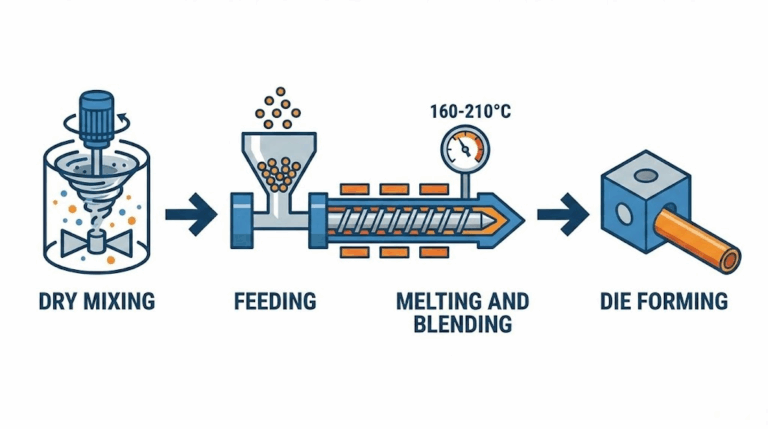
PVC pipe production turns PVC resin into finished pipe through a tightly controlled compounding and extrusion sequence — one where temperature precision matters more than almost anything else. For a pipe manufacturer sourcing resin, understanding where the process is unforgiving…
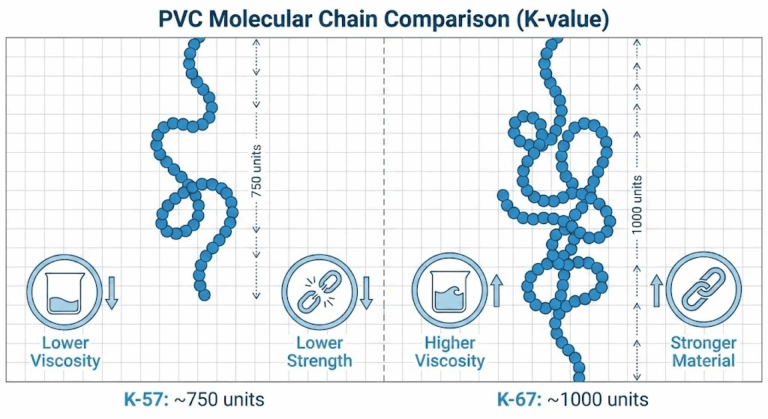
When you’re evaluating PVC resin suppliers, you’ll see specifications like “K-67” or “K-57” on every data sheet—but what does that number actually tell you about how the material will process and perform? Understanding K-Value: The Molecular Weight Indicator K-value measures…
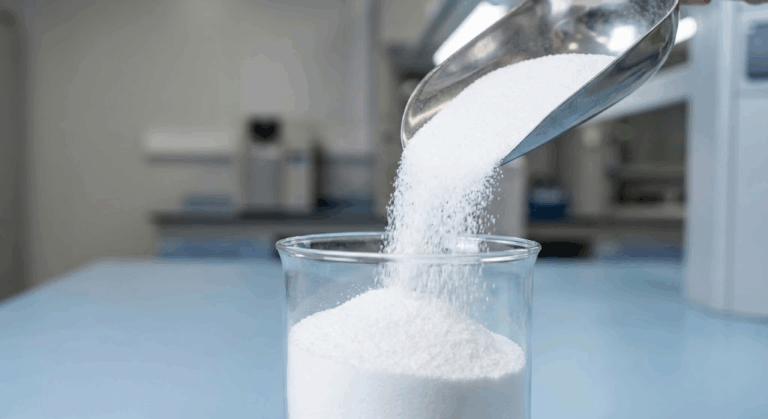
PVC resin is made by electrolyzing salt into chlorine, reacting that chlorine with ethylene to form ethylene dichloride (EDC), cracking the EDC into vinyl chloride monomer (VCM), and polymerizing the VCM in water into a powder that is then stripped…
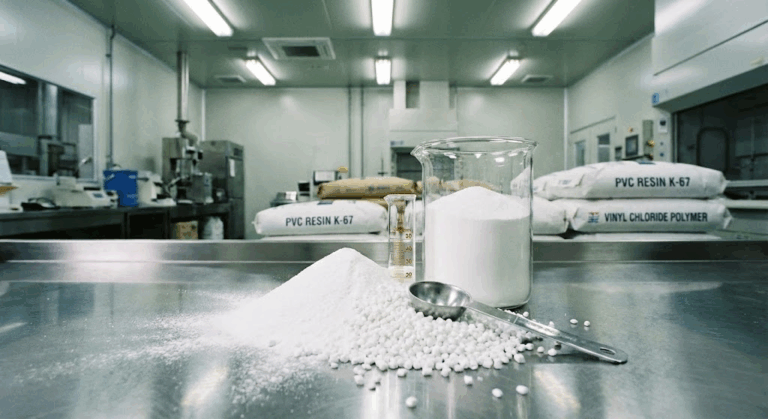
You’re looking at a PVC resin specification sheet and see “density” listed. But which number do you use? The true density? The bulk density? And why do they look completely different? Getting this wrong causes real problems. Procurement teams have…