News and Blogs
Stay updated with Bastone Plastics' news and insights. Explore daily plasticizer price updates, expert blogs on PVC resin and plasticizer applications, product comparisons, and coverage of events and exhibitions we attend worldwide.


Stay updated with Bastone Plastics' news and insights. Explore daily plasticizer price updates, expert blogs on PVC resin and plasticizer applications, product comparisons, and coverage of events and exhibitions we attend worldwide.

The plastics industry is ditching traditional phthalate plasticizers. Health and environmental concerns have accelerated the shift toward safer alternatives, and TXIB and DOTP are leading the way in flexible PVC manufacturing. But here’s the thing: they’re not interchangeable. They work…
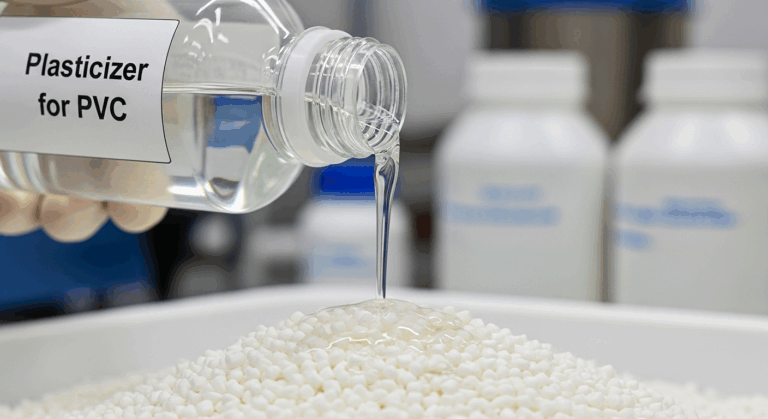
Plasticizers transform rigid PVC into flexible, workable materials by reducing intermolecular forces between polymer chains. Without these additives, PVC would be too brittle for applications like medical tubing, vinyl flooring, or cable insulation. The right plasticizer can make or break…

DPHP (Di(2-propylheptyl) phthalate) is a high-performance plasticizer that makes rigid plastics like PVC flexible, durable, and heat-resistant. It’s essentially a clear, oily liquid chemical additive that manufacturers mix into plastics at levels of 30-60% by weight to transform hard, brittle…

PVC (polyvinyl chloride) and uPVC (unplasticized PVC) are both forms of the same base polymer, but their key difference lies in plasticizers. PVC contains plasticizers that make it flexible and soft, while uPVC contains no plasticizers, making it rigid and…

UPVC stands for Unplasticized Polyvinyl Chloride – a rigid, durable form of PVC plastic that contains no added plasticizers. Unlike regular PVC, which is made flexible with chemical softeners, UPVC maintains its hard, inflexible structure throughout its lifetime. UPVC is…

Diisobutyl Phthalate (DIBP) is a synthetic chemical compound that belongs to the phthalate ester family, primarily used as a plasticizer to make rigid plastics flexible and durable. It’s the diester formed when phthalic acid combines with two molecules of isobutanol,…
Dibutyl adipate (DBA) is an organic compound that works as a plasticizer in plastics and an emollient in cosmetics. It’s the chemical result of combining adipic acid with butanol, creating a clear, oily liquid that makes materials more flexible and…

Dibutyl Phthalate (DBP) is a synthetic chemical that’s been used for decades to make plastic products flexible and durable. It’s an oily, colorless liquid that manufacturers add to rigid plastics like PVC to transform them into bendable materials you encounter…
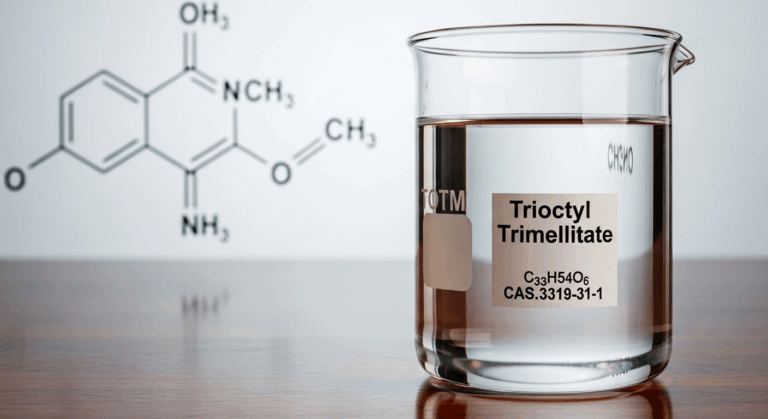
TOTM is a premium plasticizer that makes rigid plastics like PVC flexible and durable, especially in high-temperature applications where other plasticizers fail. It’s the tris(2-ethylhexyl) ester of trimellitic acid – essentially a large molecule with a benzene ring core and…
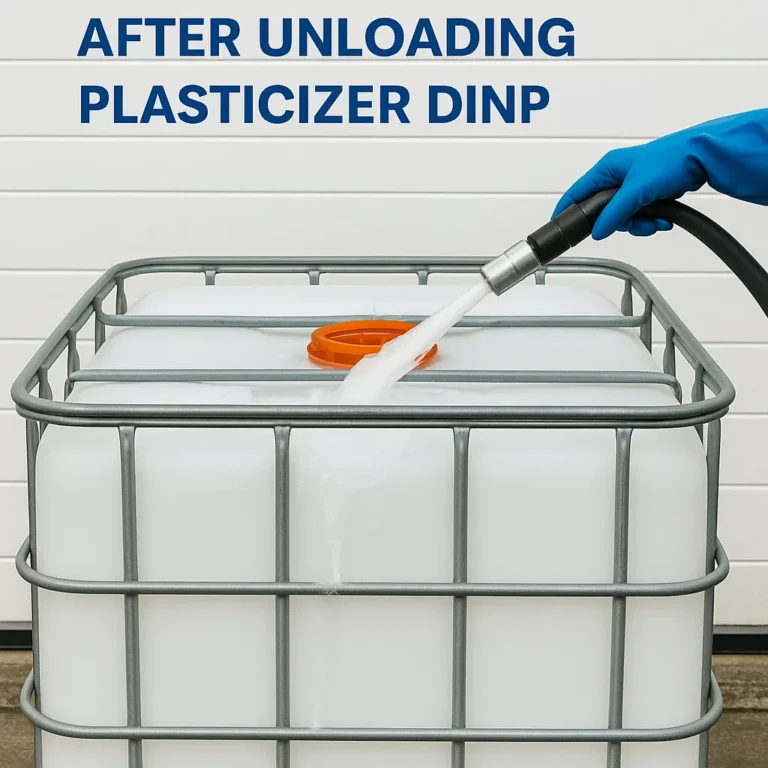
When handling Plasticizer DINP (Diisononyl Phthalate), it’s essential to properly clean IBC containers after unloading. DINP is a high-boiling, viscous plasticizer that can leave oily residues on container walls. If not cleaned correctly, these residues can affect the quality of…
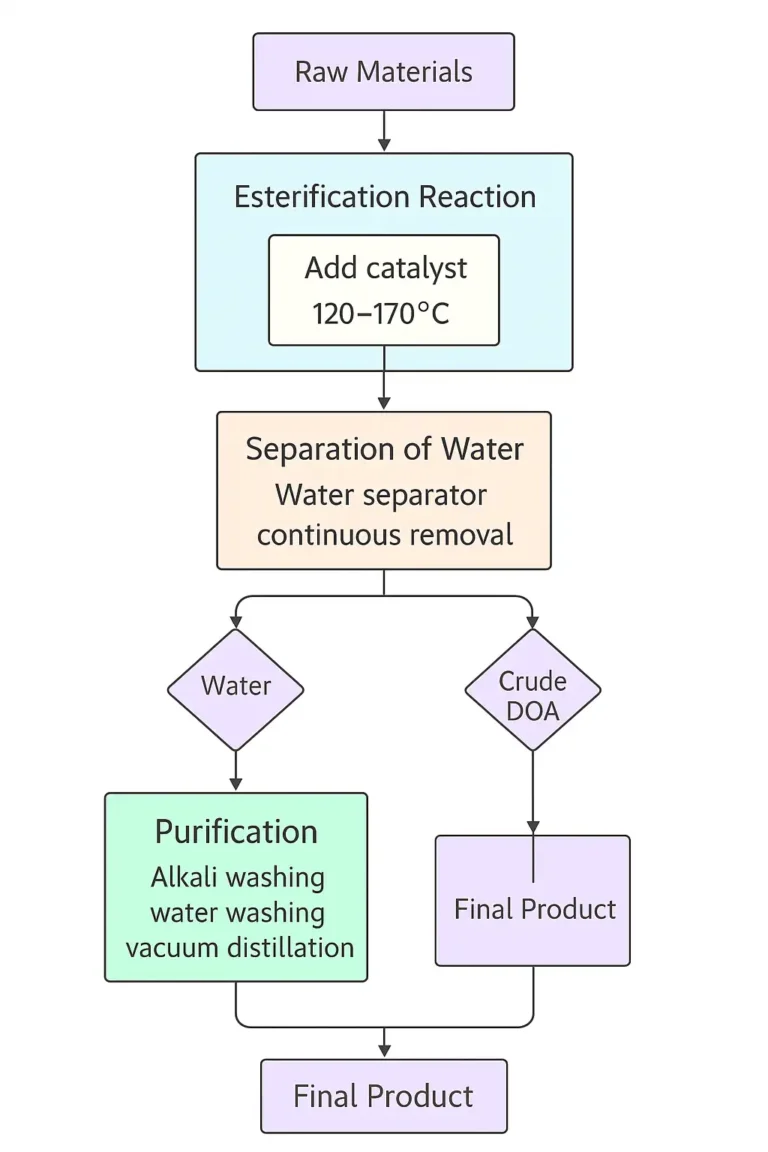
Dioctyl Adipate (Plasticizer DOA) is a highly efficient, low-temperature-resistant plasticizer widely used in flexible PVC, cables, synthetic leather, and film applications. 1. Introduction The chemical synthesis of DOA is an esterification reaction between adipic acid and 2-ethylhexanol (isooctyl alcohol). The…
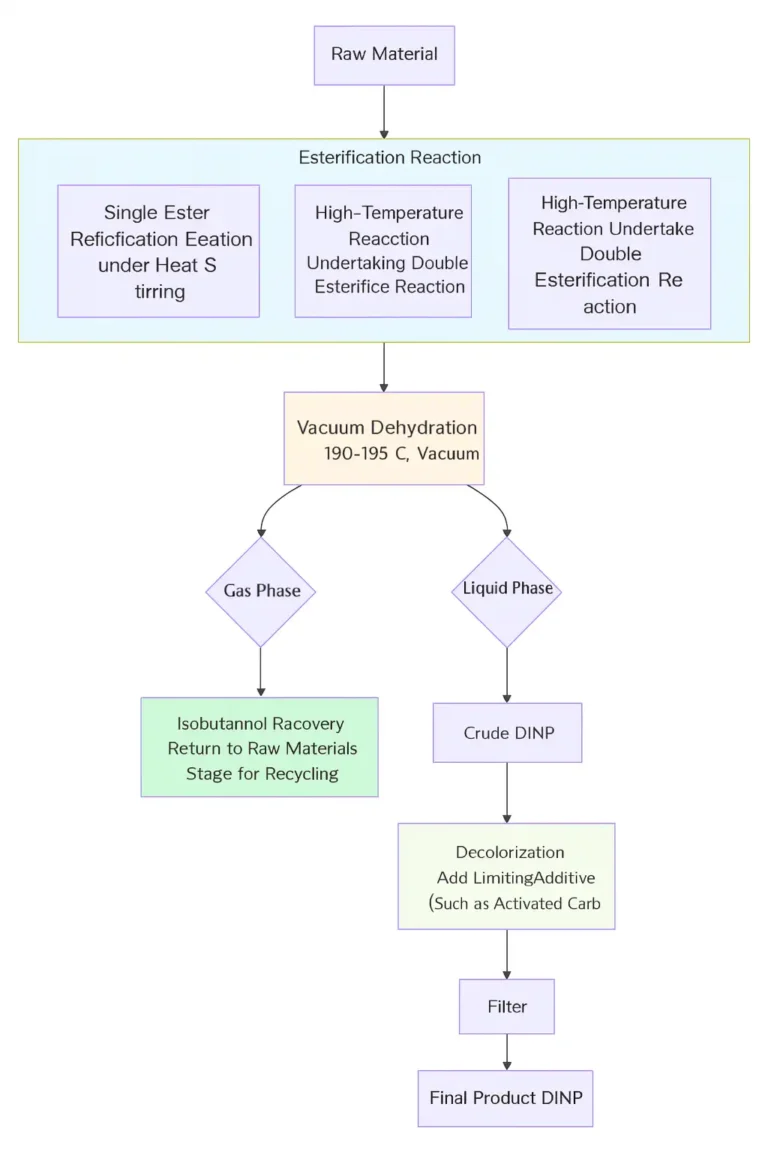
DINP (Di-isononyl Phthalate) is an important phthalate-based plasticizer known for its low volatility, excellent migration resistance, and environmental safety profile compared to traditional plasticizers like DOP (Di-octyl Phthalate). The following describes a modern synthesis method uses a titanium-based catalyst system…