News and Blogs
Stay updated with Bastone Plastics' news and insights. Explore daily plasticizer price updates, expert blogs on PVC resin and plasticizer applications, product comparisons, and coverage of events and exhibitions we attend worldwide.


Stay updated with Bastone Plastics' news and insights. Explore daily plasticizer price updates, expert blogs on PVC resin and plasticizer applications, product comparisons, and coverage of events and exhibitions we attend worldwide.
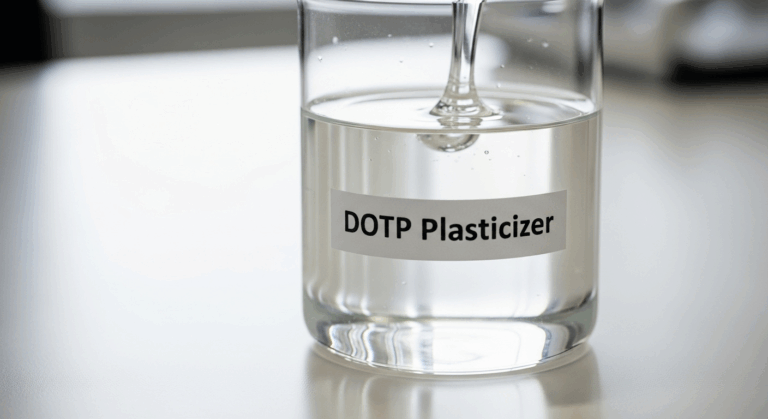
DOP and DOTP are two plasticizers that make plastic products flexible, but DOTP is the safer, more environmentally friendly choice that’s rapidly replacing DOP in modern manufacturing. While both chemicals do similar jobs, their different molecular structures lead to significant…
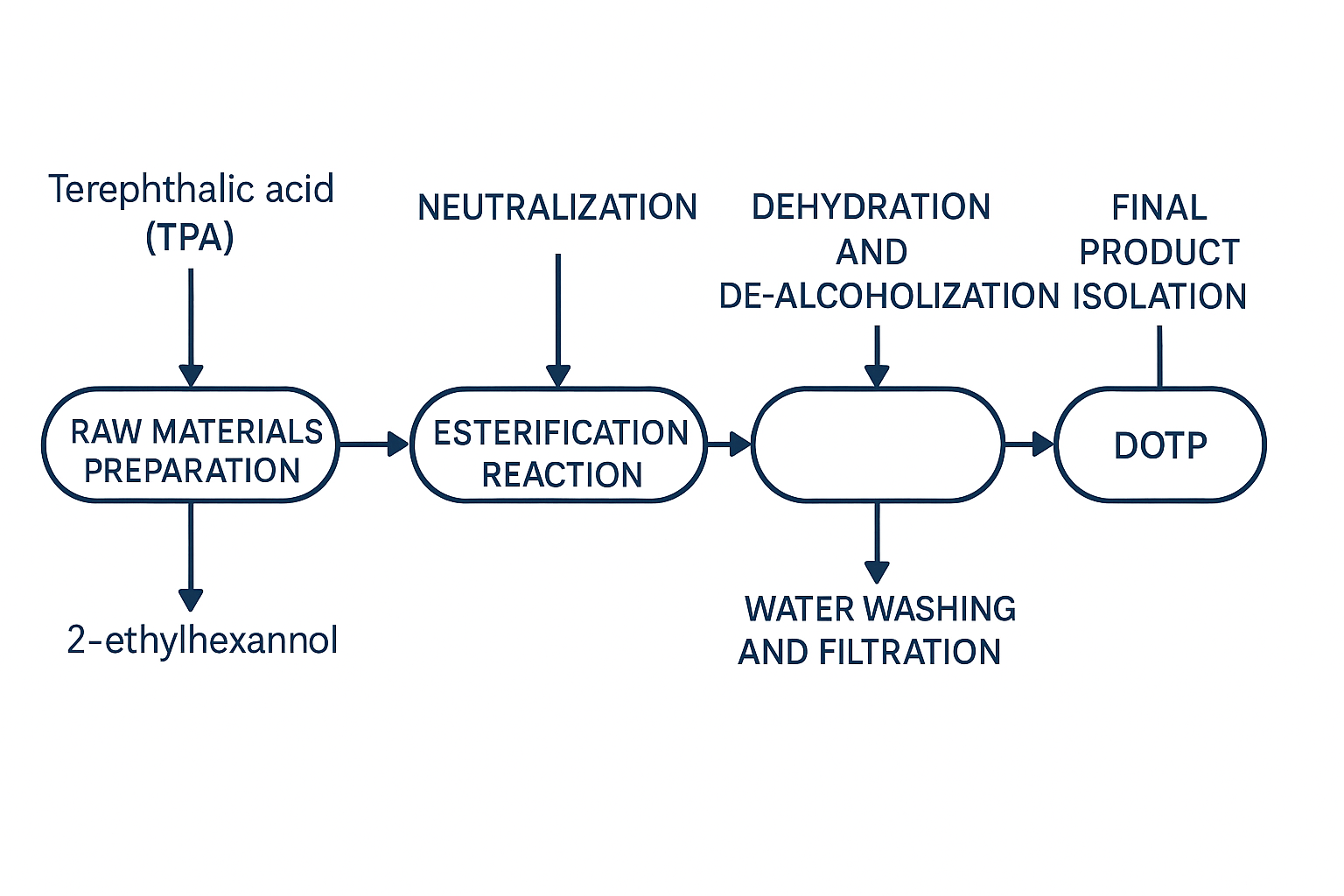
Dioctyl Terephthalate_terephthalate) (DOTP) is an environmentally friendly plasticizer usded in PVC. One of the main industrial methods to synthesize DOTP is the direct esterification method, also known as the TPA method, which uses terephthalic acid (TPA) and 2-ethylhexanol as raw…
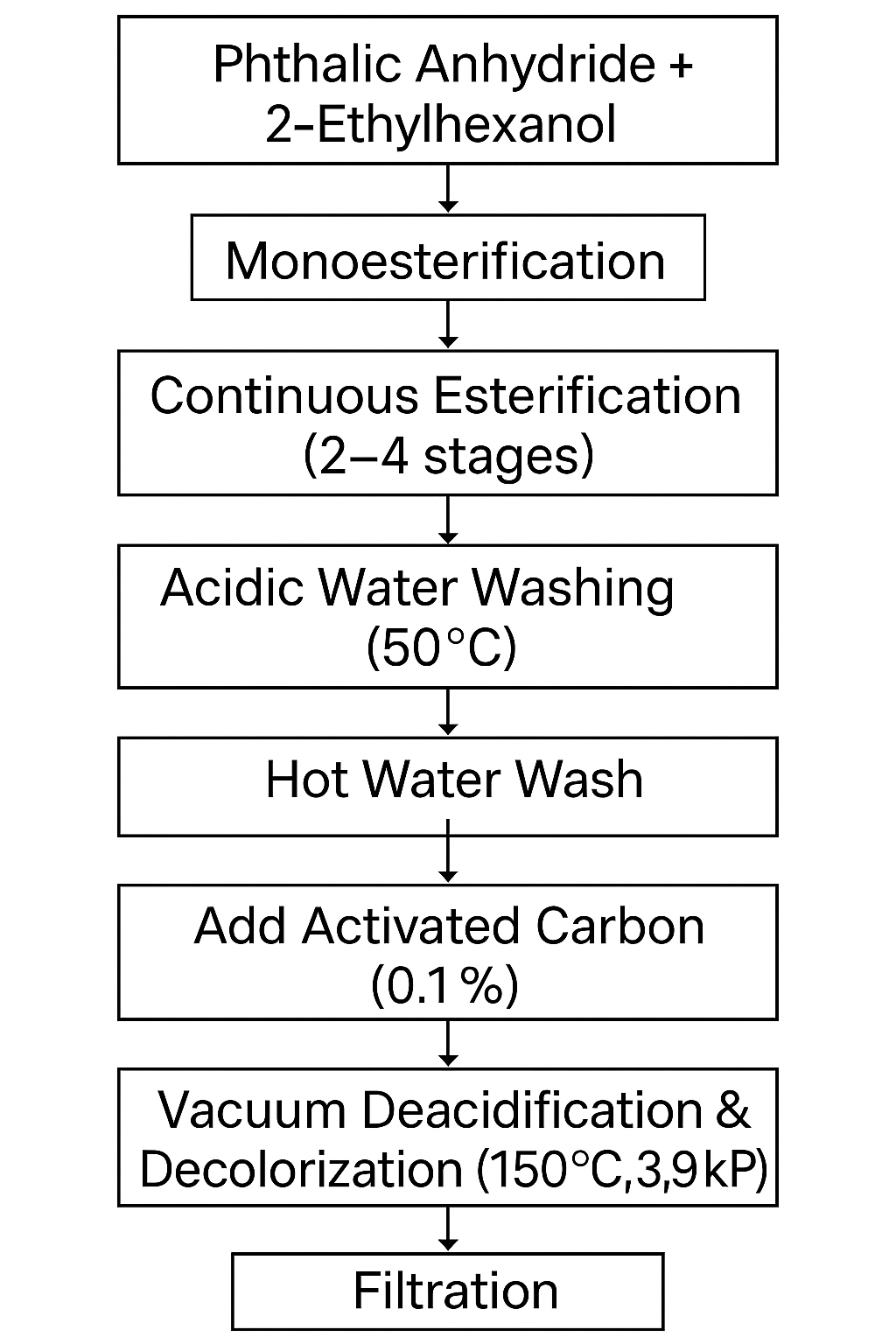
DOP, a di-ester of phthalic anhydride and 2-ethylhexanol, is one of the most cost-effective plasticizers with strong plasticizing performance. Therefore, DOP (Dioctyl Phthalate) is a most used plasticizer“. BASTONE is the leading DOP manufacturer and supplier in China, with years…
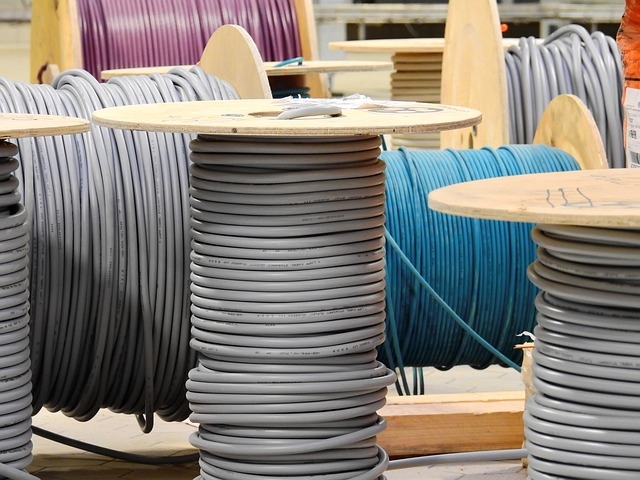
Effect of plasticizer on the volume resistivity of PVC cable Keywords: PVC; plasticizer(DOTP, DOP, DIDP, DIOP, DINP, TOTM); cable; volume resistivity This study compares six plasticizers — including DOTP for PVC cable — at loadings from 26 to 56 phr…
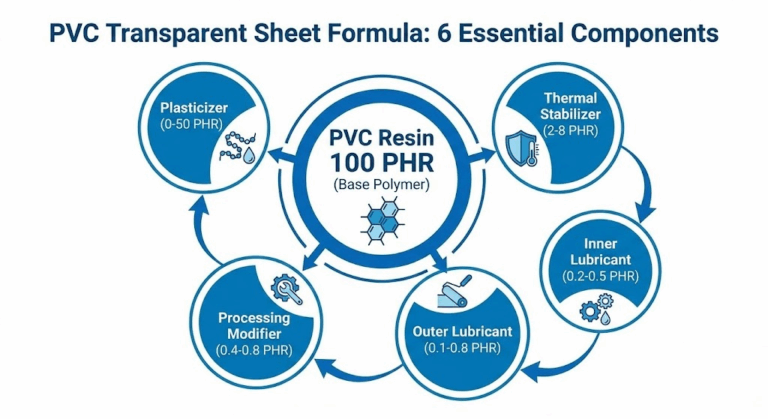
Getting crystal-clear PVC sheets isn’t magic. It’s chemistry you can control. I’ve seen too many production engineers struggle with yellowing batches, hazy sheets, and those frustrating fish eyes that ruin an entire run. The worst part? They’re usually just one…
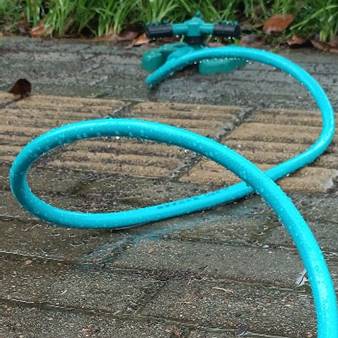
·Introduction to PVC Polyvinyl chloride (PVC) is one of the five main general-purpose plastics and ranks third in global production among thermoplastics, following polyethylene (PE) and polypropylene (PP). While PVC has an amorphous structure, lacks a fixed melting point and…
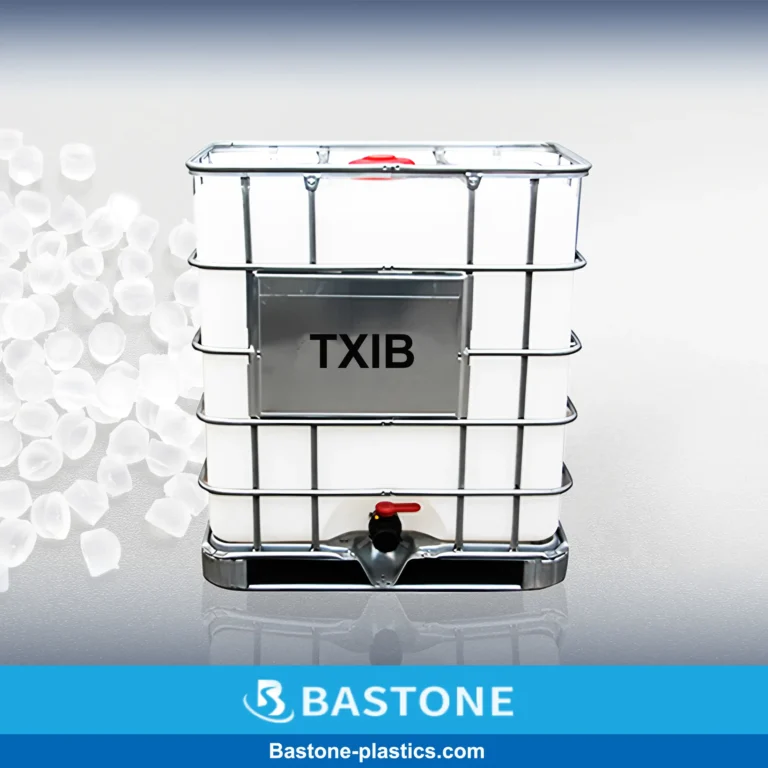
Brief introduction TXIB plasticizer is recognized as an advanced primary plasticizing agent for PVC plastisol systems. This high-performance formulation demonstrates exceptional compatibility with polyvinyl chloride resins and polyurethane-based materials, while maintaining effective interaction with conventional primary and secondary plasticizers. The…
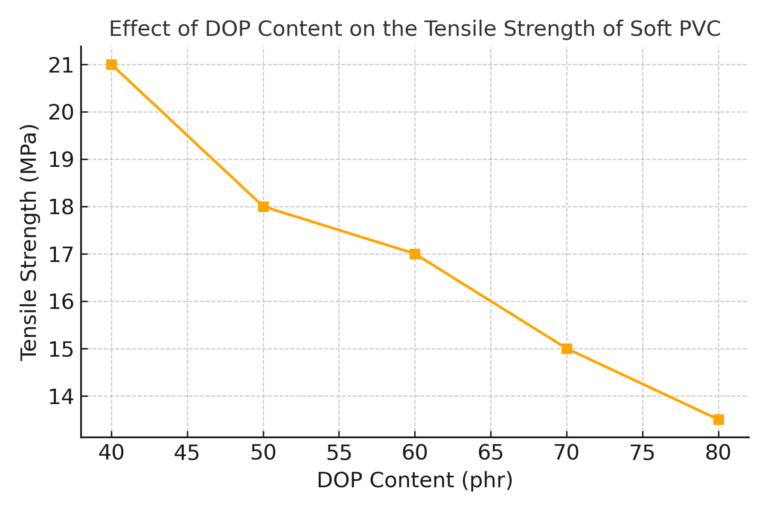
DOP lowers the glass transition temperature of PVC, and with it hardness, tensile strength, modulus and melt viscosity, while elongation at break, impact resistance and low-temperature flexibility rise as the loading goes up. Its molecules sit between the PVC chains…
This article highlights actionable insights for manufacturers seeking to refine PVC foam formulations while emphasizing plasticizer DOP as a pivotal tool for performance optimization. 1. Reference Formula/ Plasticizer DOP dosage Material PHR[Parts by weight per hundred parts of resin] PVC…
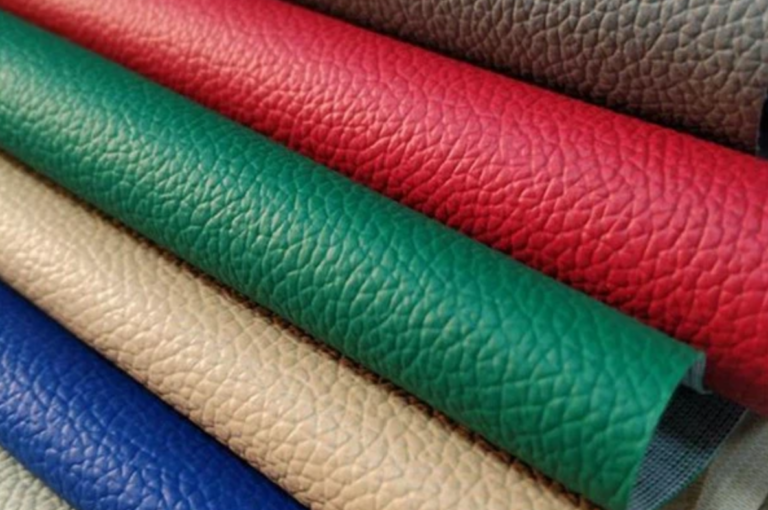
PVC artificial leather, also known as polyvinyl chloride (PVC) synthetic leather, is produced by mixing PVC resin with additives such as plasticizers, stabilizers, fillers, and pigments. These components are then processed through coating, embossing, and printing techniques. PVC artificial leather…
Plasticizer DOTP (dioctyl terephthalate) has emerged as a cornerstone for manufacturing high-performance PVC synthetic leather. Renowned for its exceptional plasticizing efficiency and thermal stability, DOTP plays a pivotal role in transforming rigid PVC into soft, flexible, and durable materials used…
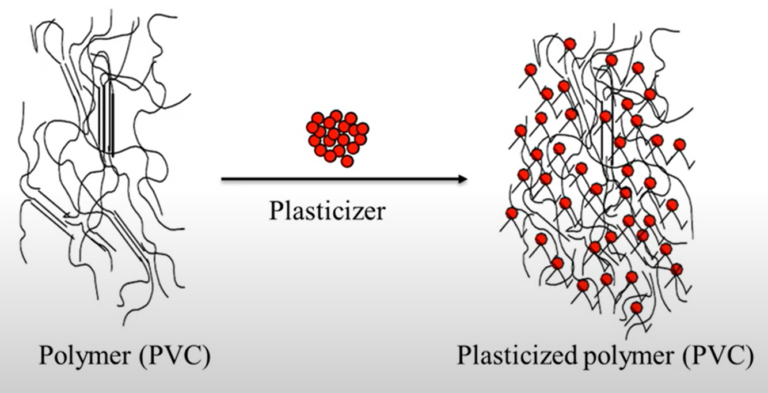
What is PVC Plasticizer? A Comprehensive Guide to Its Functionality and Key Products Plasticizers are essential additives in the plastics industry, transforming rigid PVC (Polyvinyl Chloride) into flexible, durable materials used across industries. The grades that carry most of that…