
Plasticizers for PVC Synthetic Leather
PVC synthetic leather formulation lives or dies by plasticizer selection. The right additive package prevents surface tackiness, eliminates windshield fogging in automotive interiors, and maintains the required drape and hand-feel over years of use.
Solving the Migration Challenge in Coated Fabrics
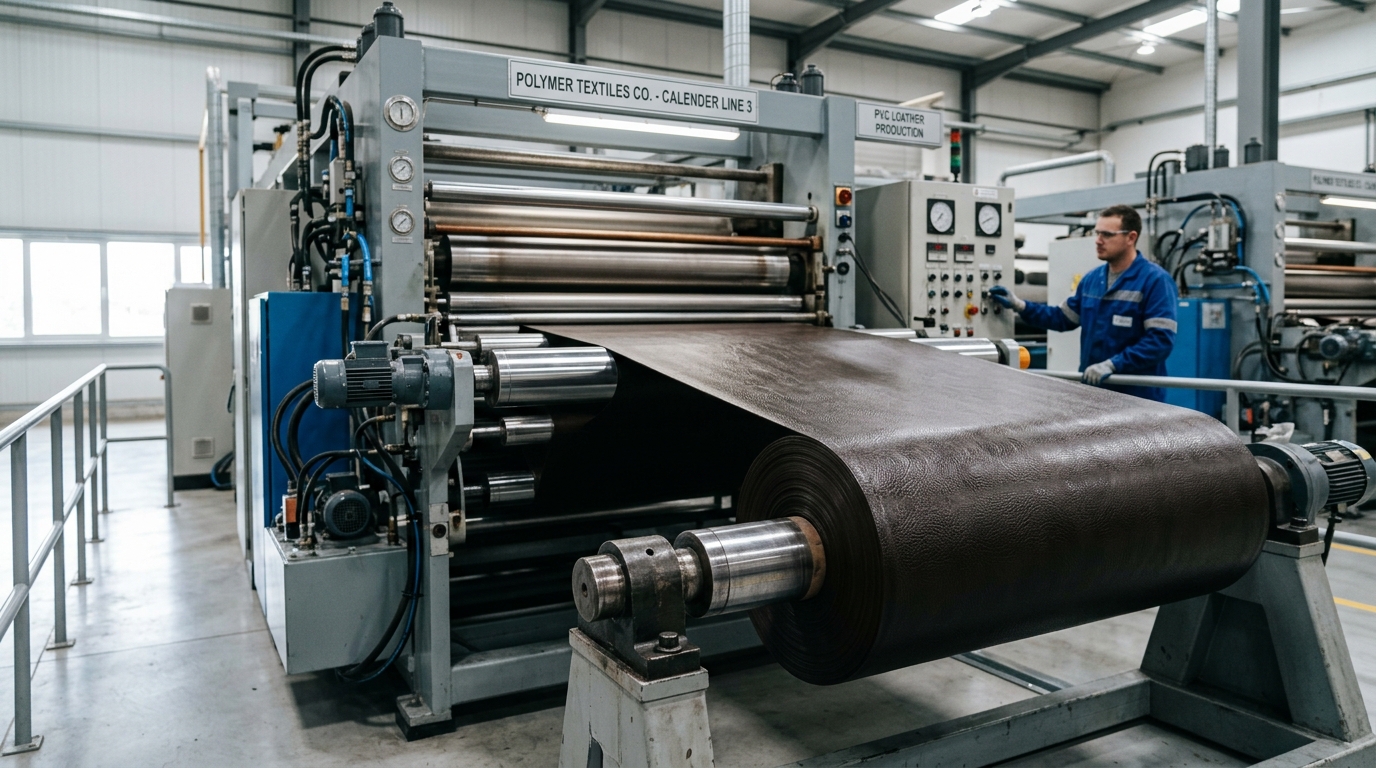
Synthetic leather manufacturing relies on PVC plastisol coated onto fabric substrates. During the fusion and gelation process, the plasticizer embeds between polymer chains to impart flexibility. However, over time, thermal stress and physical compression force the plasticizer to the surface—a failure mechanism known as plasticizer migration.
Migration destroys product value. Furniture upholstery becomes sticky, automotive dashboards emit VOCs that fog windshields, and apparel becomes stiff and brittle. Selecting high-permanence plasticizers with the correct molecular weight prevents premature degradation.
BASTONE supplies specialized plasticizers for artificial leather production—including TINTM, DEHCH, DOTP, and DINA. Our formulations help manufacturers achieve the exact balance of gelation speed, cold flexibility, and permanence required for their end-market.
Key Performance Demands in Synthetic Leather
Formulators must balance processing viscosity with end-user durability requirements. The primary plasticizer determines how the coated fabric performs under specific environmental stresses.
Automotive Fogging Resistance
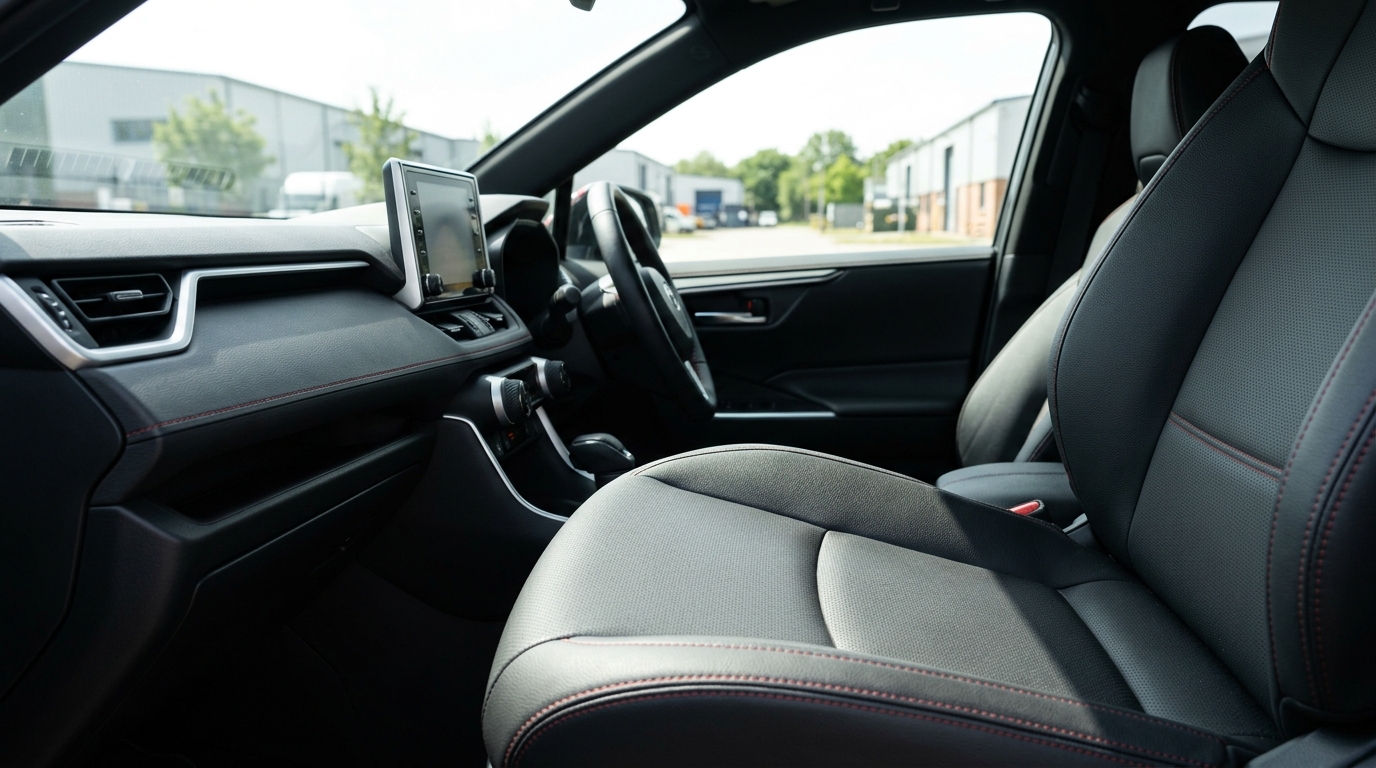
Synthetic leather used in car interiors must pass strict outgassing standards (like Ford-SAE J 1756). Highly volatile plasticizers evaporate under dashboard temperatures, creating a hazardous, greasy film on the inside of windshields.
Migration Resistance
In furniture and apparel, the plasticizer must stay locked between PVC polymer chains. Migration leads to a sticky, tacky surface that attracts dirt and ruins the hand-feel of the faux leather.
Cold Temperature Drape
Winter footwear and outdoor upholstery require synthetic leather that remains soft below freezing. Standard phthalates stiffen dramatically in cold weather, leading to surface cracking under repeated flexing.
Phthalate-Free Compliance
Apparel, children’s products, and premium home furnishings increasingly face stringent regulations (such as REACH and CPSIA) that restrict traditional ortho-phthalates, necessitating advanced bio-based or non-phthalate alternatives.
Recommended BASTONE Plasticizers for Synthetic Leather
The products below are ranked by their ability to meet the specialized demands of coated fabric production, starting with maximum permanence solutions for critical automotive applications.
TINTM (Triisononyl Trimellitate)
Automotive GradeTINTM is a premium trimellitate plasticizer engineered for extreme heat resistance and zero-fogging performance. With a high molecular weight and ultra-low volatility, TINTM drastically reduces weight loss at 100 °C compared to DOTP or DINP.
When synthetic leather is exposed to intense sunlight and dashboard heat, TINTM remains stable within the polymer matrix. It easily passes the rigorous Ford-SAE J 1756 fogging test, making it the uncompromising choice for automotive seating, door panels, and dashboard upholstery. Processing and gelling characteristics mirror TOTM, but TINTM provides slightly better cold flexibility.
Automotive interior synthetic leather, high-end marine upholstery, and heavy-duty industrial coated fabrics that require maximum heat resistance and zero windshield fogging.
DEHCH
Safe & Non-PhthalateDEHCH is a fundamentally safer, fully hydrogenated plasticizer that completely eliminates the aromatic ring structure responsible for phthalate toxicity. It delivers exceptional compliance for furniture and apparel markets bound by REACH, RoHS, and CPSIA restrictions.
In PVC plastisol operations, DEHCH absorbs faster than DOTP or DINCH, reducing fusion time and cutting energy costs during the fabric coating process. It matches DOP-level migration resistance while providing a clear, haze-free finish and a soft, premium hand-feel for luxury faux leathers.
Luxury furniture upholstery, synthetic leather apparel, children’s footwear, and any artificial leather application requiring strict non-phthalate compliance and direct skin-contact safety.
DOTP (Dioctyl Terephthalate)
General PurposeDOTP serves as the high-performance workhorse for standard PVC synthetic leather. As a direct terephthalate replacement for DOP, it maintains comparable plastisol viscosity characteristics but delivers significantly better resistance to extraction and thermal degradation.
While it cannot match TINTM’s zero-fogging capability in extreme automotive conditions, DOTP is highly efficient for general upholstery, handbags, and consumer goods. Its cost-effectiveness and broad compatibility make it the primary plasticizer in the majority of mid-tier artificial leather production.
General commercial upholstery, handbags, synthetic leather luggage, consumer footwear, and cost-sensitive coated fabric applications.
DINA (Diisononyl Adipate)
Cold-Climate AdditiveDINA is an essential secondary plasticizer when synthetic leather must maintain extreme cold flexibility. Utilizing an adipate ester structure, DINA prevents the polymer chains from stiffening and cracking in sub-zero environments.
When blended at 10–20 phr with a primary plasticizer like DEHCH or DOTP, DINA ensures that winter coats, outdoor seating, and technical snow gear retain excellent drape and softness. Its lower volatility compared to DOA makes it a superior cold-weather additive for long-lasting performance.
Winter apparel, snowmobile seats, technical outdoor gear, cold-weather footwear, and any artificial leather exposed to prolonged freezing temperatures.
Comparing Synthetic Leather Plasticizers
Selecting the optimal plasticizer requires balancing cold flexibility against heat permanence. Use the performance matrix below to identify the right base chemistry for your coated fabric application.
| Property | TINTM | DEHCH | DOTP | DINA |
|---|---|---|---|---|
| Migration Resistance (Non-Tacky) | ★★★★★ | ★★★★☆ | ★★★☆☆ | ★★☆☆☆ |
| Low Fogging (Automotive VOC) | ★★★★★ | ★★★☆☆ | ★★☆☆☆ | ★☆☆☆☆ |
| Cold Temperature Drape | ★★☆☆☆ | ★★★☆☆ | ★★★☆☆ | ★★★★★ |
| Plastisol Viscosity Stability | ★★★★☆ | ★★★★★ | ★★★★☆ | ★★★☆☆ |
| Phthalate-Free Compliance | No | Yes (100%) | Yes (Non-Ortho) | Yes |
| Primary Application | Auto Interiors | Premium Apparel | General Faux Leather | Winter / Outdoor |
Formulation Tips for Coated Fabrics
**Bastone Solution:** Blending TINTM for Automotive Specs
For automotive synthetic leather, pure DOTP formulations routinely fail the Ford-SAE J 1756 fogging test. Transition the primary plasticizer to TINTM (or a 70:30 TINTM/DOTP blend) to instantly suppress VOC outgassing and pass rigorous OEM dashboard heat tests.
Controlling Plastisol Viscosity
Synthetic leather coating requires a stable plastisol viscosity. If your formulation thickens prematurely during storage, substitute a highly stable non-phthalate like DEHCH. It provides excellent viscosity control during the knife-coating process, ensuring uniform gauge thickness across the fabric.
**Bastone Solution:** Achieving Cold Crack Resistance
When engineering synthetic leather for snow gear or outdoor seating, pure phthalates or terephthalates will become brittle. Blend 10–20 phr of DINA into your base formulation. This depresses the glass transition temperature, keeping the faux leather pliable at -30 °C.
Preventing Surface Tackiness (Migration)
High plasticizer loading for extra softness often leads to migration, creating a sticky surface over time. To combat this, select a higher molecular weight plasticizer (like TINTM) rather than simply adding more DOTP, and ensure complete fusion temperature is reached during the oven curing phase.
Need Help Selecting the Right Plasticizer?
Share your synthetic leather specifications—whether you need to pass automotive fogging tests or meet REACH non-phthalate standards for apparel—and our technical team will recommend the optimal additive package.
Contact BASTONE