News and Blogs
Stay updated with Bastone Plastics' news and insights. Explore daily plasticizer price updates, expert blogs on PVC resin and plasticizer applications, product comparisons, and coverage of events and exhibitions we attend worldwide.


Stay updated with Bastone Plastics' news and insights. Explore daily plasticizer price updates, expert blogs on PVC resin and plasticizer applications, product comparisons, and coverage of events and exhibitions we attend worldwide.

Have you ever wondered why the same PVC material becomes rigid water pipes in one factory and flexible garden hoses in another? The answer lies entirely in additives. Raw PVC straight from polymerization is brittle, unstable, and impossible to process…
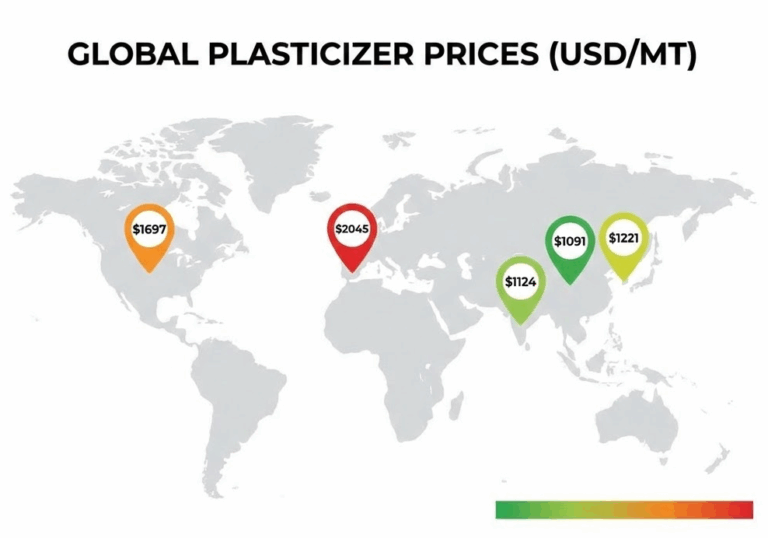
Why does the same plasticizer cost $1,091 per metric ton in China but $2,045 in Spain? That nearly 90% price difference reflects the complex interplay of factors that procurement teams must navigate. Raw material volatility, regional dynamics, trade policies, and…
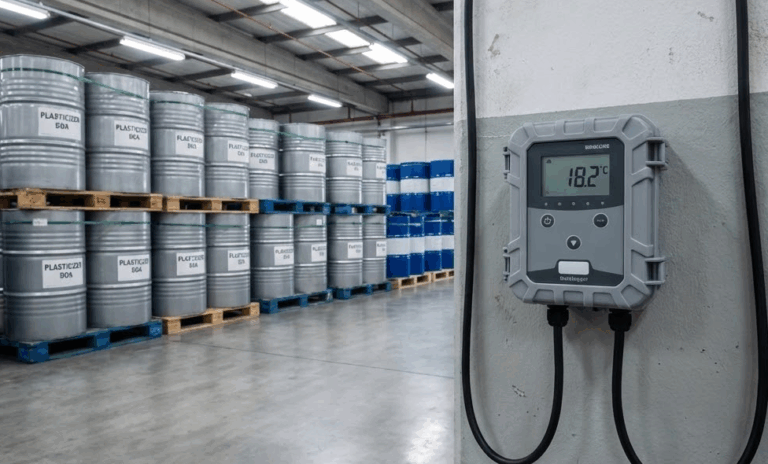
Most storage guides emphasize keeping plasticizers free from contamination. In my experience supporting PVC compounders, I trace more batch rejections to temperature excursions than to contamination. A drum stored in direct sunlight for a week causes more processing problems than…
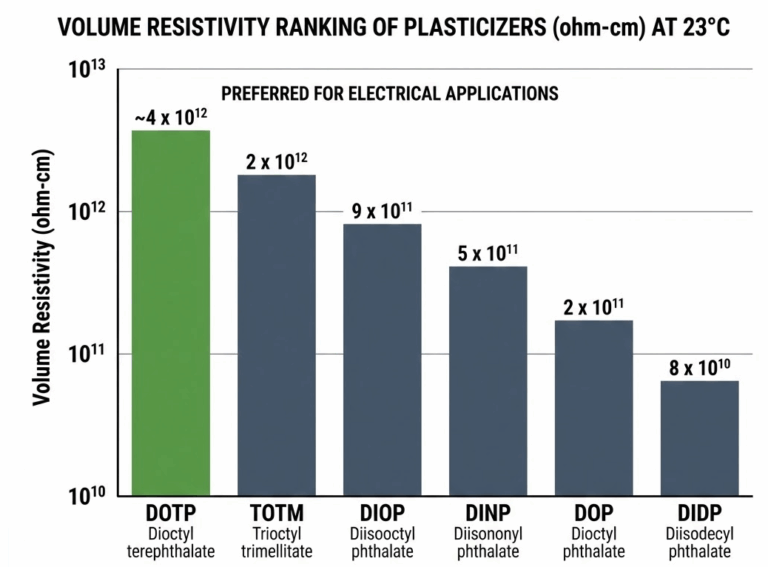
A batch of PVC cable compound fails volume resistivity testing after processing. The plasticizer Certificate of Analysis showed values within specification. The problem: the COA confirmed the numbers, but nobody understood what those numbers actually meant for processing performance. This…
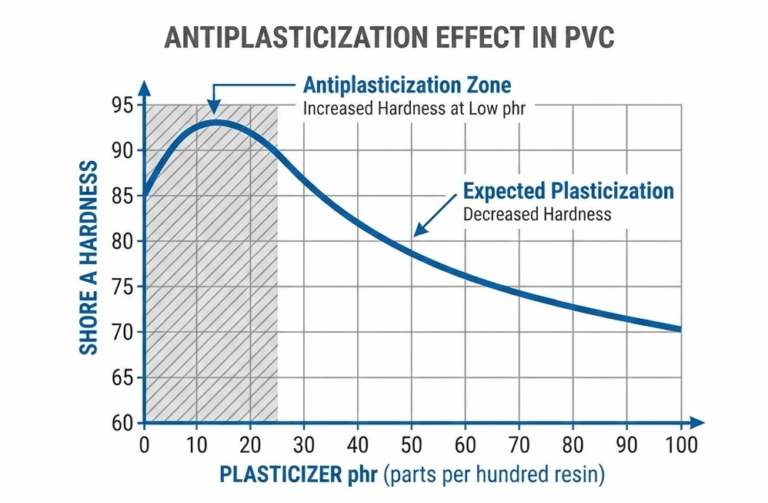
Why doesn’t your PVC formulation match the calculated hardness? You followed the published tables, used the recommended phr, yet the Shore A reading is 5 points off target. This frustration is common because even identical formulations can produce different results…

Most compounding engineers know their efficiency ratios by heart. DINP at 1.04, TOTM at 1.11, DOTP somewhere in between. Yet when tasked with reducing formulation cost by 5%, many struggle to translate these numbers into actual savings. The problem isn’t…
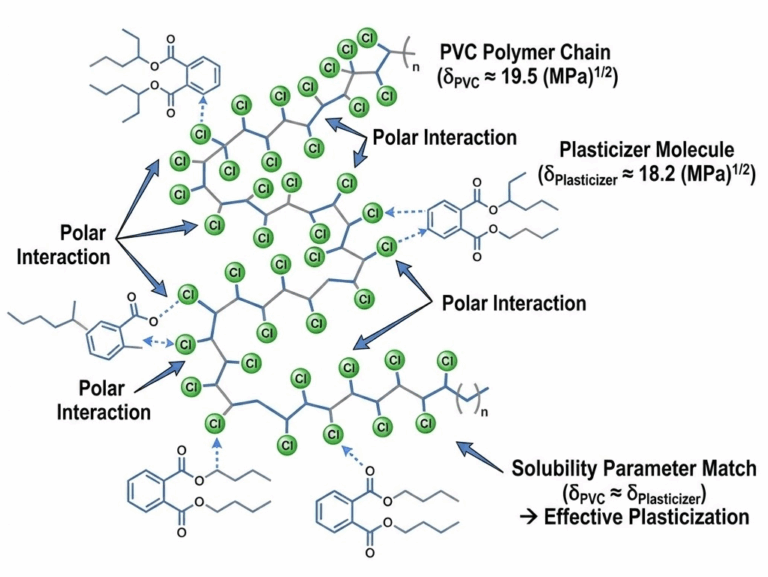
When a formulation passes every calculated compatibility check but still blooms after six months in the warehouse, something is wrong with the assessment method. This scenario plays out more often than formulators expect, particularly as the industry shifts toward non-phthalate…

US hospitals use 2.5 million IV bags daily. The flexible PVC tubing delivering those fluids can contain up to 80% plasticizer by weight. For decades, that plasticizer was DEHP (di-2-ethylhexyl phthalate). The regulatory landscape is now shifting toward stricter requirements,…

Many PVC processors assume that when they receive resin of a specific K-value, their formulation should remain unchanged without testing. This assumption causes problems. K-value variations between lots shift melt viscosity enough to turn a proven formulation into one that…
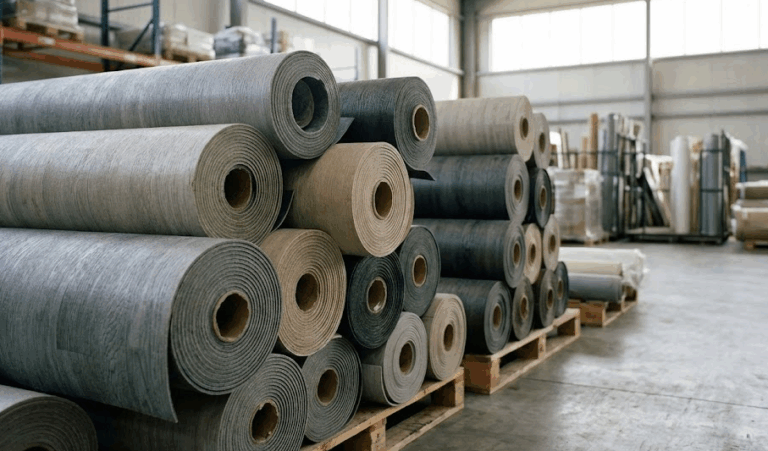
A 2024 study of 151 new PVC flooring samples found that 16% exceeded regulatory limits for restricted plasticizers, primarily because of recycled content carrying legacy chemicals. The regulatory landscape is shifting toward complete phthalate elimination, yet compliance remains more complex…
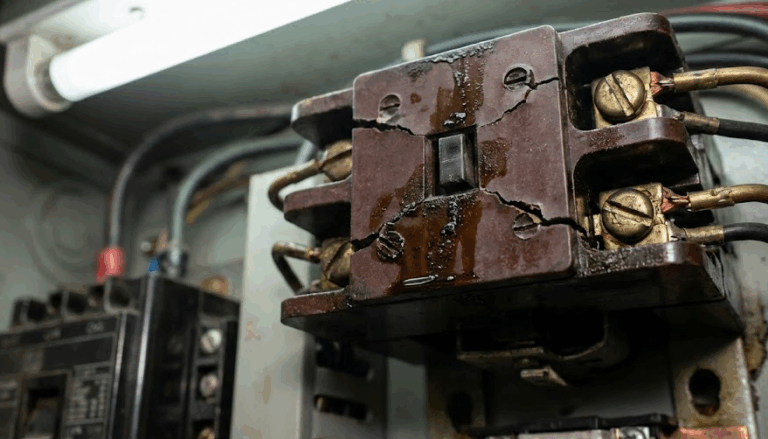
“Plasticizers in wire can migrate out of terminated ends and essentially attack the resin used in contactor bodies over the course of about 5 years… weakening them, which led to cracking and separation of power terminal mounting devices.” This practitioner…
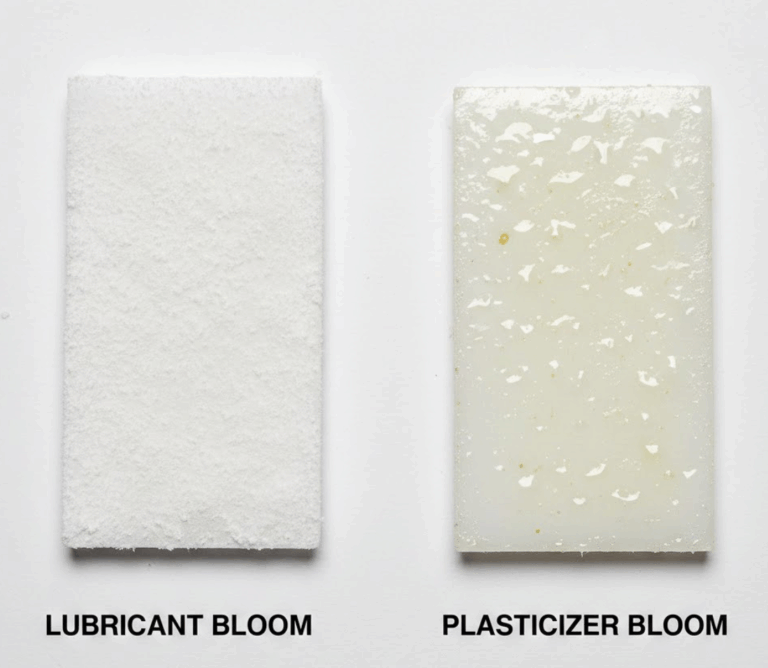
A compounder sees white residue on freshly extruded PVC profiles. Assuming plasticizer migration, they reduce the plasticizer level by 5 phr. Two weeks later, the bloom is worse, and the profiles have become brittle. The actual cause was lubricant excess…